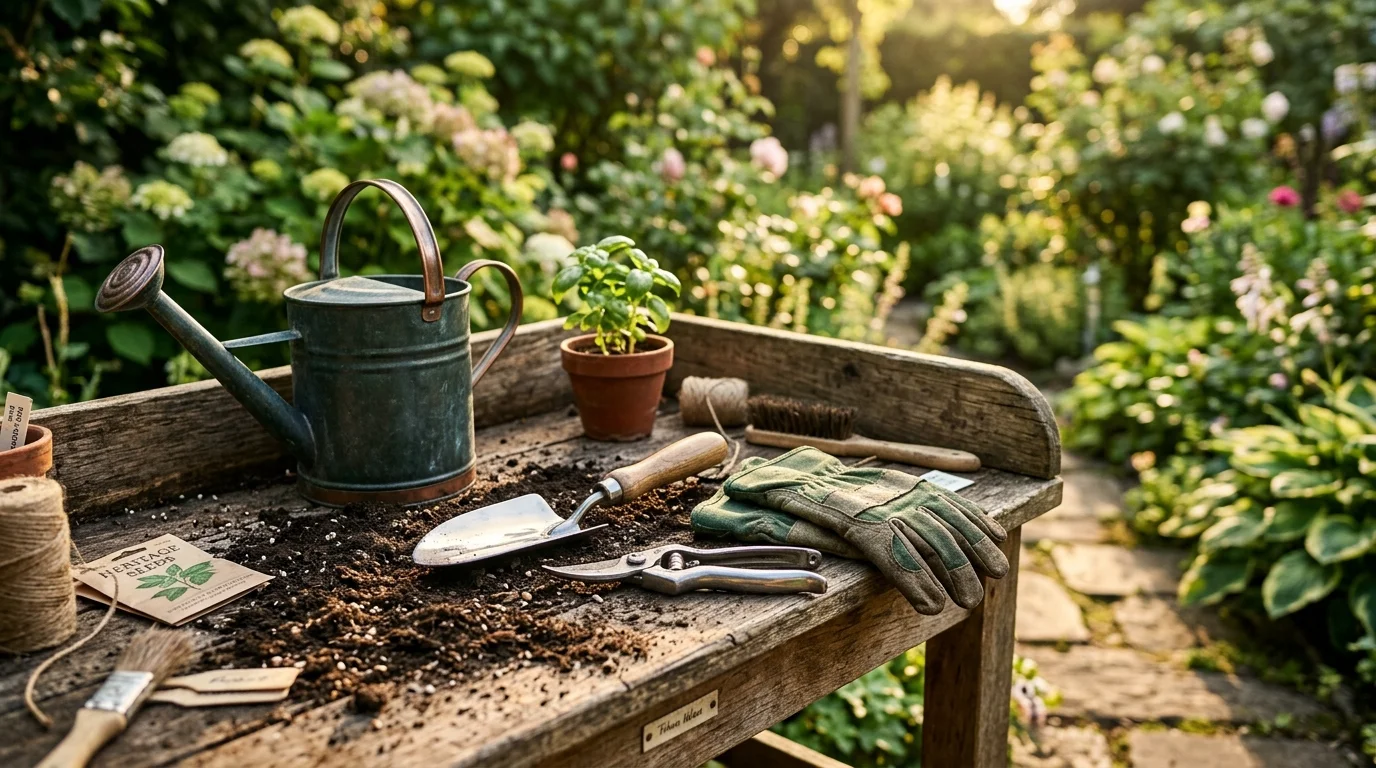
Welcome to the wonderful world of gardening! If you feel overwhelmed by the endless aisles of shiny equipment at your local store, you are certainly not alone. Finding the best garden tools shouldn’t be a chore, and this guide is here to help you pick the right gear so you can spend more time enjoying your flowers and vegetables.
Quick Answer: The best garden tools for any beginner are a high-quality hand trowel, a pair of sharp bypass pruning shears, durable garden gloves, and a reliable watering can. These four essentials will cover almost every basic task you will encounter in your backyard garden.
Choosing the Perfect Hand Trowel for Your Garden
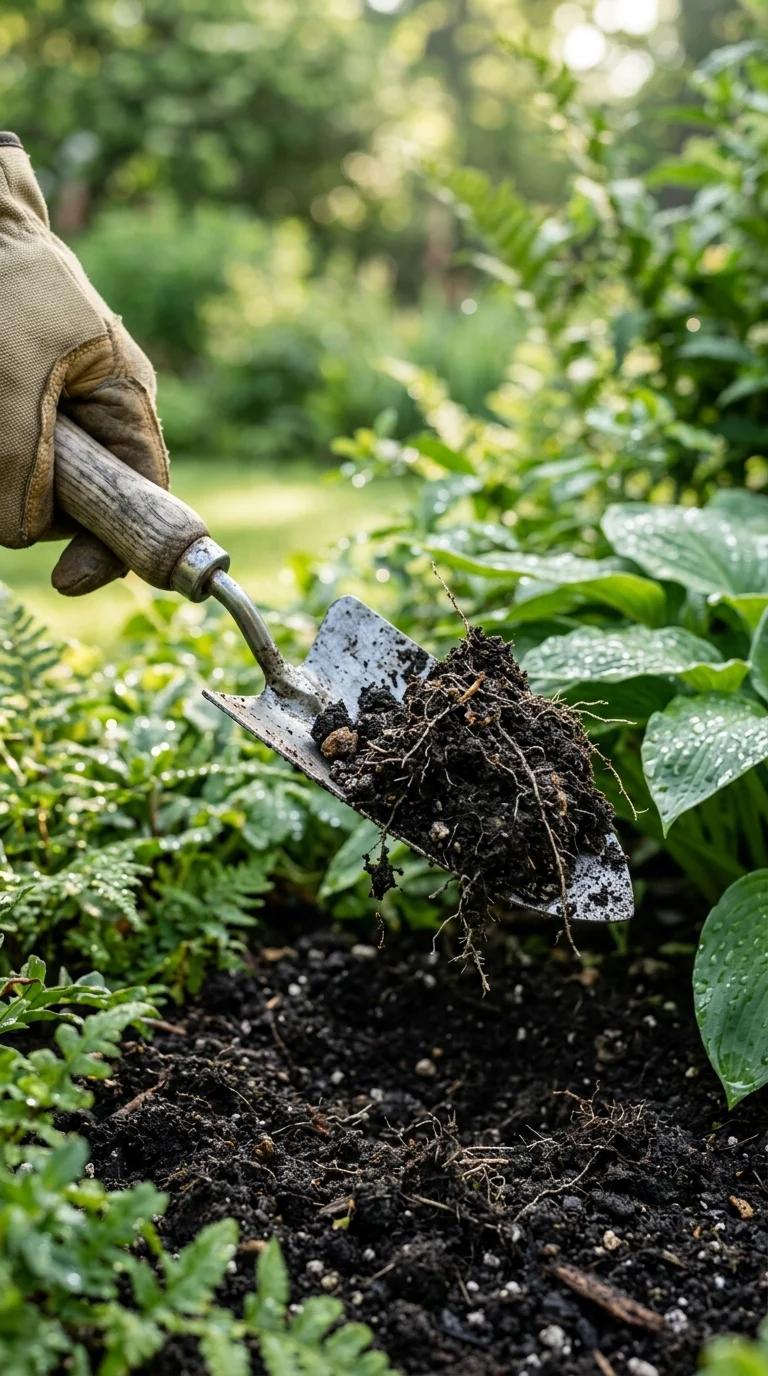
A hand trowel is perhaps the most iconic tool in any gardener’s shed. Think of it as your primary extension of your hand when you are working close to the earth. For a beginner, this tool is vital for digging small holes, transplanting seedlings, and breaking up stubborn clods of soil.
When you start shopping, look for a trowel that feels sturdy in your grip. You want a tool made of high-quality stainless steel or carbon steel, as these materials resist rust and are less likely to bend when you hit a hidden rock. Many gardeners find that a comfortable, ergonomic handle makes a world of difference during long afternoons of planting.
If you have smaller hands, look for a trowel with a slightly narrower blade. Some models even feature measurement markings on the blade, which is a fantastic feature for ensuring your bulbs are planted at the exact depth they need. It is often the small details like these that turn a simple chore into a pleasant experience.
Think about where you store your tools, too. A trowel with a hole in the handle allows you to hang it on a hook, keeping your workspace tidy and ensuring you don’t lose it in the grass. A bright-colored handle is another smart choice, as it makes the tool much easier to spot if you accidentally leave it tucked away in a pile of mulch.
In most cases, you don’t need to overspend to get a reliable tool. A simple, well-made steel trowel will last you for many years if you keep it clean. After each use, simply wipe off the dirt and give it a quick rinse. If you notice any sap or sticky residue, a little bit of warm soapy water will do the trick perfectly.
Remember that a trowel is meant for digging in loose soil, not for prying up heavy rocks. While it is a durable tool, using it for tasks it wasn’t designed for can lead to a bent neck or a broken handle. Treat your trowel with care, and it will remain your most faithful companion through every planting season.
Many gardeners also enjoy using their trowel to mix in small amounts of fertilizer or compost into the planting hole. Because the blade is small, it gives you great control over exactly where your soil amendments go. It is truly the “Swiss Army Knife” of the small-scale gardening world.
Mastering the Use of Bypass Pruning Shears
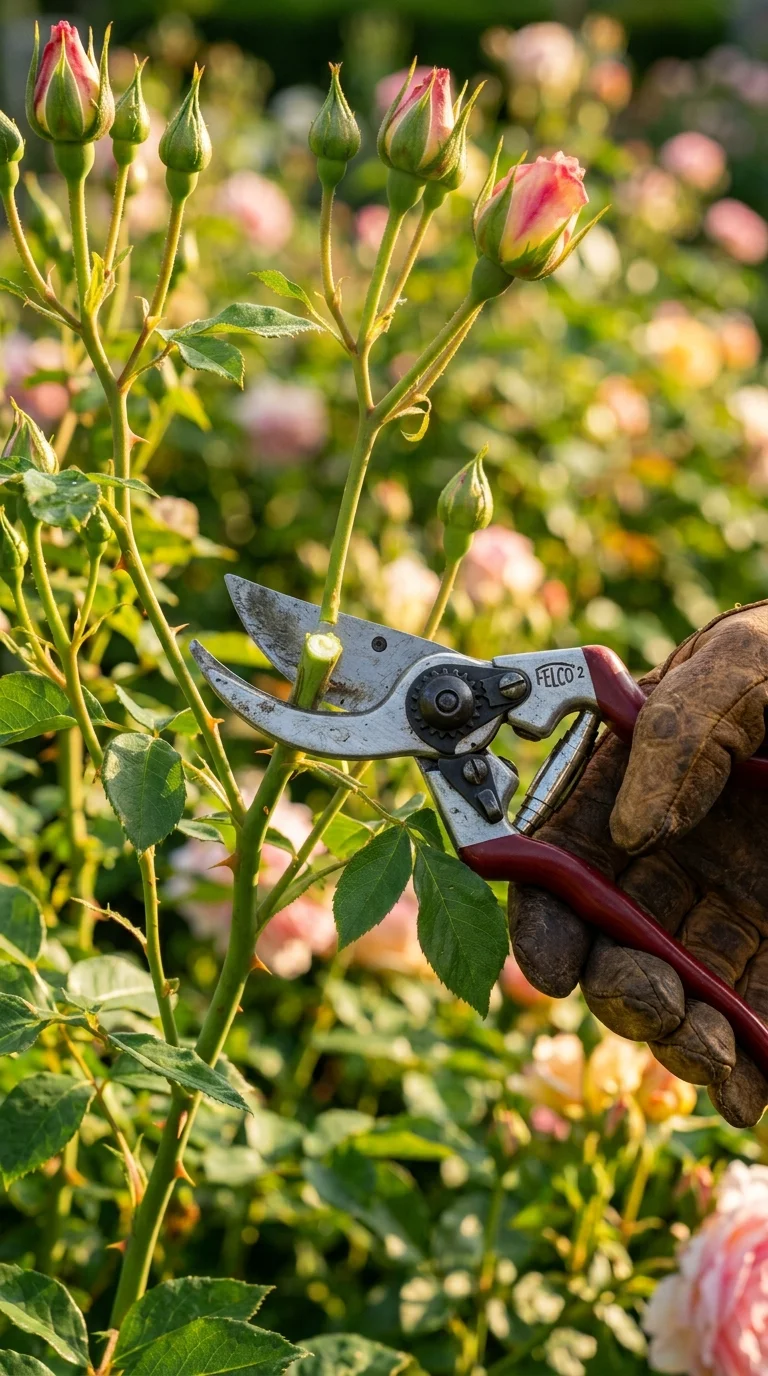
If a trowel is your hand’s best friend, bypass pruning shears are the gardener’s favorite surgical instrument. These shears are called “bypass” because the two blades slide past each other like a pair of scissors, creating a clean, crisp cut that is much healthier for your plants.
Using the right tool is essential for plant health. When you use dull or improper cutters, you risk crushing the stem, which can leave your plant vulnerable to diseases or pests. A sharp pair of bypass pruners ensures the plant heals quickly after you make a cut.
Here are a few things to keep in mind when shopping for your first pair:
- Size and Fit: Your hand should be able to close the handles comfortably without straining your fingers.
- Replaceable Parts: Look for brands that offer replaceable blades or springs, as this means the tool can last a lifetime.
- Safety Lock: Ensure the locking mechanism is easy to operate with one hand, so you can safely store them in your pocket or holster.
There are many different styles available, and it often depends on your personal preference. Some gardeners prefer a spring-loaded design that pops open automatically after each cut, while others like a firmer grip. If you have limited strength in your hands, look for “ratchet” pruners, which use a mechanical gear system to multiply your force.
Maintenance is key to keeping your pruners in top shape. Every few weeks, take a moment to wipe the blades down with a cloth soaked in a little bit of rubbing alcohol. This removes sap and prevents the spread of plant germs from one bush to another. A light drop of oil on the pivot screw will also keep the action smooth and effortless.
When you are out in the garden, try to prune at a slight angle. This allows rainwater to run off the cut surface rather than pooling in the center of the stem, which helps prevent rot. Always aim to cut just above a bud or leaf node, as this is where the plant will send out its new growth.
Many beginners make the mistake of trying to cut branches that are too thick for their pruners. If you find yourself having to force the handles together, stop! You probably need a pair of loppers or a small pruning saw instead. Using your pruners within their intended capacity will keep them sharp for years to come.
Finally, keep your pruners stored in a dry place. While most are made of rust-resistant materials, letting them sit in a damp shed can eventually lead to pitting or corrosion. A simple leather or nylon holster is a great way to protect your tool and keep it within reach whenever you are walking through your garden.
Protecting Your Hands with Proper Garden Gloves
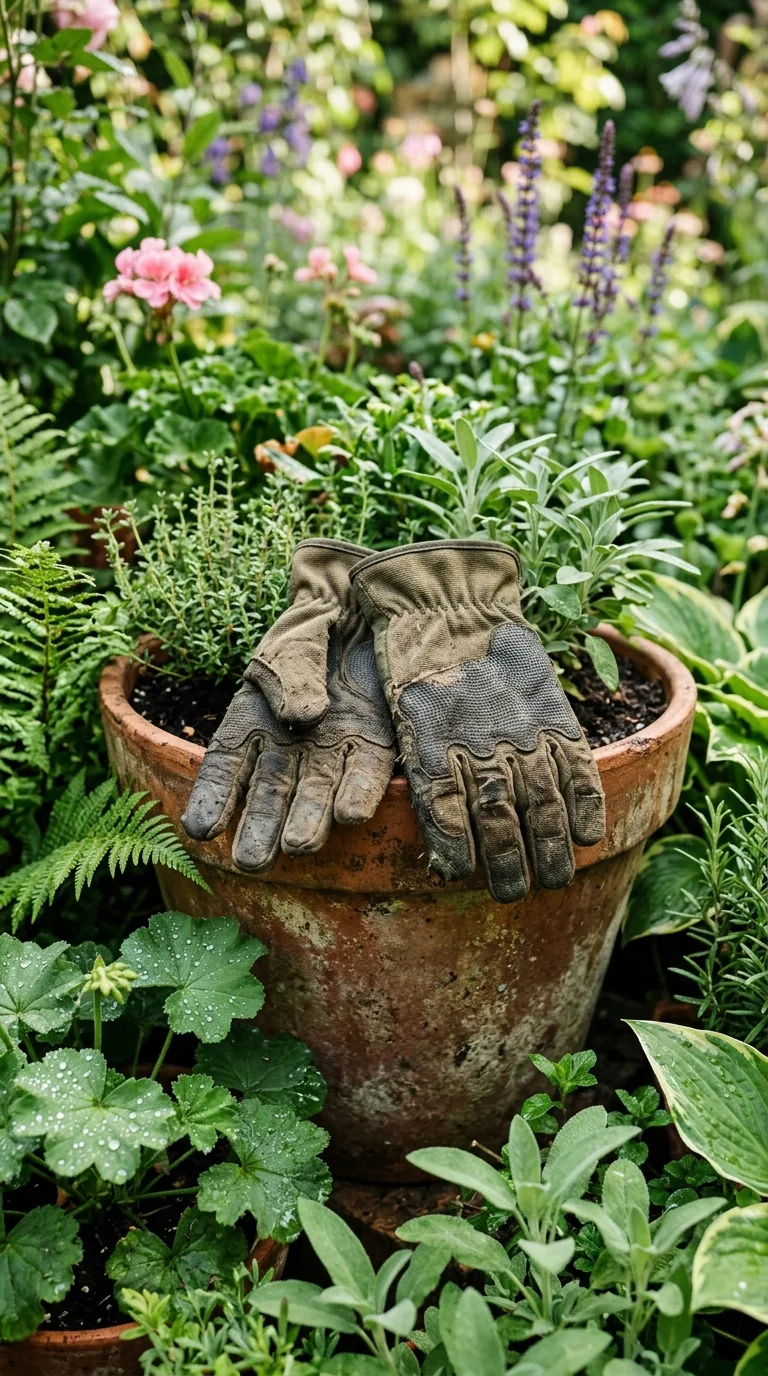
You might wonder if garden gloves are really a tool, but after your first day of weeding, you will surely agree they are! Protecting your skin from thorns, sharp twigs, and hidden insects makes the entire experience much more enjoyable.
To get the most out of your gloves, follow these simple steps to ensure you pick the right pair for your needs:
- Assess the Task: If you are doing delicate work like sowing seeds, look for thin, tactile nitrile-coated gloves. For heavy-duty jobs like moving rose bushes or clearing brush, go for thick leather or puncture-resistant synthetic materials.
- Check the Fit: Your gloves should be snug but not tight. If they are too loose, you will find it difficult to pick up small items or grip your tools properly.
- Test the Grip: Many modern gloves have a textured coating on the palms. This provides extra friction, which is incredibly helpful when you are pulling weeds or holding a slippery hose.
- Clean and Maintain: Most fabric and nitrile gloves are machine washable. Keeping them clean prevents soil buildup, which can eventually irritate your skin or wear out the fabric.
- Rotate Your Pairs: It is often a good idea to have two pairs on hand—one for light tasks and one for “dirty” work. This keeps your clean gloves ready for when you need to handle delicate plants.
Many gardeners find that breathable materials are a must, especially during the hot summer months. Look for gloves with a mesh back that allows air to circulate. This simple feature can make a huge difference in how long you can comfortably work in the sun.
Remember that even the best gloves aren’t always 100% thorn-proof. If you are working with prickly plants like holly or blackberry, be extra cautious. Take your time, and don’t be afraid to use a tool to move the branches aside instead of relying solely on your hands.
If you suffer from dry skin, consider wearing a light cotton liner inside your gloves. This can help absorb sweat and keep your hands feeling soft after a long afternoon in the soil. It is a small trick, but it makes the post-gardening cleanup much faster.
Lastly, don’t wait for your gloves to get holes in them before replacing them. A worn-out pair offers little protection against scrapes or dirt. Treat your gloves as a piece of safety gear, and replace them once the coating starts to peel or the fabric becomes thin. Your hands will certainly thank you!
Choosing and Using the Right Watering Can
A watering can is the final piece of the puzzle for any new gardener. While a garden hose is great for large areas, a can gives you the precision you need for container gardens, delicate seedlings, and small flower patches.
One common mistake beginners make is buying a can that is too heavy when it’s full. Remember that water is quite heavy—one gallon of water weighs about eight pounds! If you aren’t sure how much you can handle, start with a smaller two-gallon size. It is much better to make two trips than to strain your back.
The “rose” is the attachment at the end of the spout that breaks the water into a gentle spray. For most plants, this is ideal because it mimics a soft rain. If you are watering the base of a plant to keep the leaves dry, you can often remove the rose to get a direct, steady stream of water.
When choosing a can, think about the handle design. A long, balanced handle allows you to tilt the can comfortably as it empties, preventing you from having to awkwardly twist your wrist. Many gardeners find that a “two-handle” design provides the best control for both carrying and pouring.
Material is another factor to consider. Plastic cans are lightweight, affordable, and won’t rust, making them a great choice for most beginners. Metal cans are often more aesthetic and can last for decades, but they can be heavy and may eventually develop rust if not cared for properly.
If you are watering indoor plants or small window boxes, consider a long-neck indoor watering can. These are designed to reach into tight spaces without spilling water on your furniture or flooring. They are small, elegant, and incredibly practical for the home gardener.
Maintenance is quite simple. After you finish watering, tip the can upside down to ensure no stagnant water remains inside, especially if you have a metal can. If you notice the holes in your rose are getting clogged with debris, simply unscrew it and give it a quick rinse in the sink.
Finally, keep in mind that the best time to water is usually early in the morning. This gives your plants the moisture they need to handle the heat of the day. Using a watering can allows you to target the roots directly, which is the most efficient way to hydrate your garden while keeping the foliage dry and healthy.
Frequently Asked Questions
Q: Do I really need to buy expensive garden tools?
A: You certainly don’t need to break the bank! Many gardeners find that mid-range tools offer excellent quality and durability. It is often better to buy a few high-quality basics than a large set of cheap, flimsy tools that might break quickly.
Q: How can I keep my tools from rusting?
A: Keeping your tools clean and dry is the best way to prevent rust. After you finish gardening, wipe off any dirt, dry them with a cloth, and store them in a shed or garage. Many gardeners also find that wiping metal blades with a light coat of oil once a season helps keep them in great shape.
Q: Are left-handed tools necessary?
A: If you are left-handed, you might find that certain tools, like pruners, are much easier to use if they are designed for your hand. Many companies now offer “lefty” versions of their most popular tools. It is worth checking, as it can make your garden work much more comfortable!
Q: How do I know when it’s time to sharpen my pruners?
A: You will know it’s time when the pruners start “chewing” the stems instead of slicing through them cleanly. If you have to pull or tear at a branch, your blades have likely lost their edge. A quick touch-up with a sharpening stone can usually restore them to like-new condition.
Q: Should I buy a long-handled or short-handled weeding tool?
A: It often depends on your comfort level. Long-handled tools allow you to weed while standing, which is easier on your back. Short-handled tools are great for precision work in tight spaces or when you are kneeling in a flower bed.
Q: Can I use the same gloves for all gardening tasks?
A: While you can, it is often helpful to have a pair for heavy work and a pair for light work. Using heavy-duty gloves for delicate tasks can be clumsy, and using thin gloves for heavy work will wear them out very quickly.