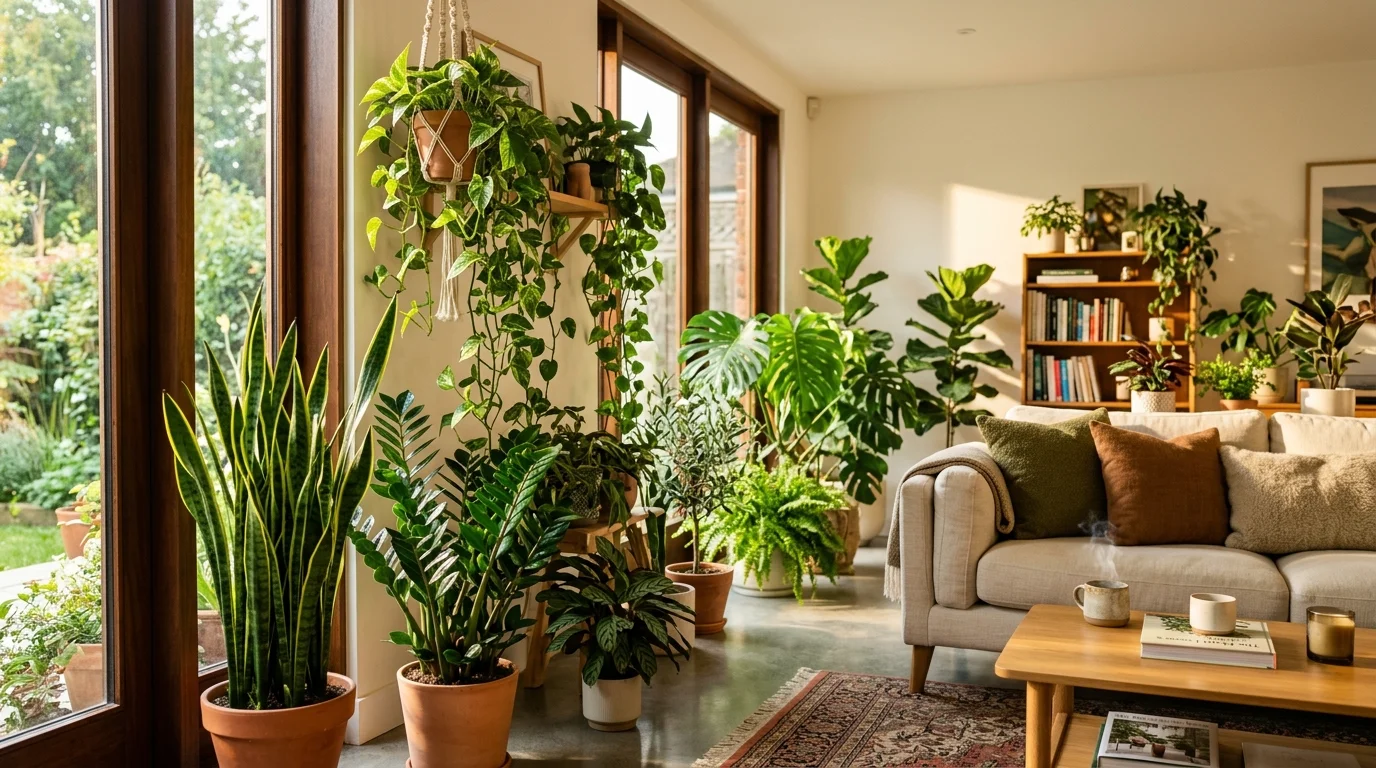
Do you love the look of lush greenery in your home but worry you don’t have a “green thumb”? Many gardeners find that finding the right plants can turn a dull room into a vibrant sanctuary without the stress of constant upkeep. This guide to Low-Maintenance Indoor Plants is designed to help you build your own indoor garden with confidence and ease.
Quick Answer: The best Low-Maintenance Indoor Plants for beginners include hardy varieties like the Snake Plant, Pothos, and ZZ Plant. These species generally thrive with irregular watering and can adapt to a wide range of indoor lighting conditions.
Growing Beautiful Low-Light Indoor Plants Successfully
If your home doesn’t have floor-to-ceiling windows, don’t worry! Many people assume they cannot be gardeners because they lack bright, direct sunlight. In reality, Low-Light Indoor Plants are some of the most resilient and rewarding companions you can bring into your living space.
Low-light doesn’t mean “no light.” It usually refers to a spot that receives soft, indirect illumination, like a corner near a north-facing window or a hallway with ambient light. Most of these plants have evolved on the forest floor, living under the canopy of larger trees, so they are experts at stretching out to catch whatever light is available.
When you start your journey with these plants, remember that their growth rate will naturally be slower than plants in direct sun. Because they aren’t photosynthesizing—the process plants use to turn light into energy—as quickly, they also don’t drink as much water. This is actually a great benefit for you, as it means you won’t have to worry about a strict, daily watering schedule.
One of the best things about these plants is how they signal their needs. If you notice the leaves drooping, it might be a hint that the plant is thirsty. If the soil feels damp, simply wait a few more days before checking again. In most cases, it is better to underwater than to overwater, as soggy soil can lead to root rot, which is a common hurdle for new gardeners.
To help your plants thrive, try to keep them away from cold drafts or direct heat vents. Sudden temperature changes can stress them out, even if they are tough. By placing them in a stable environment, you allow them to focus their energy on producing those lush, beautiful leaves that you love.
Understanding Why These Are The Best Easy to Care for Plants
When we talk about plants that are easy to care for, we are usually looking for traits like drought tolerance and pest resistance. These plants have adapted to survive in environments where water is not always readily available, making them very forgiving of a busy schedule.
Whether you are a college student, a busy parent, or someone who travels often, these plants fit seamlessly into your life. Here are a few key traits that make them stand out:
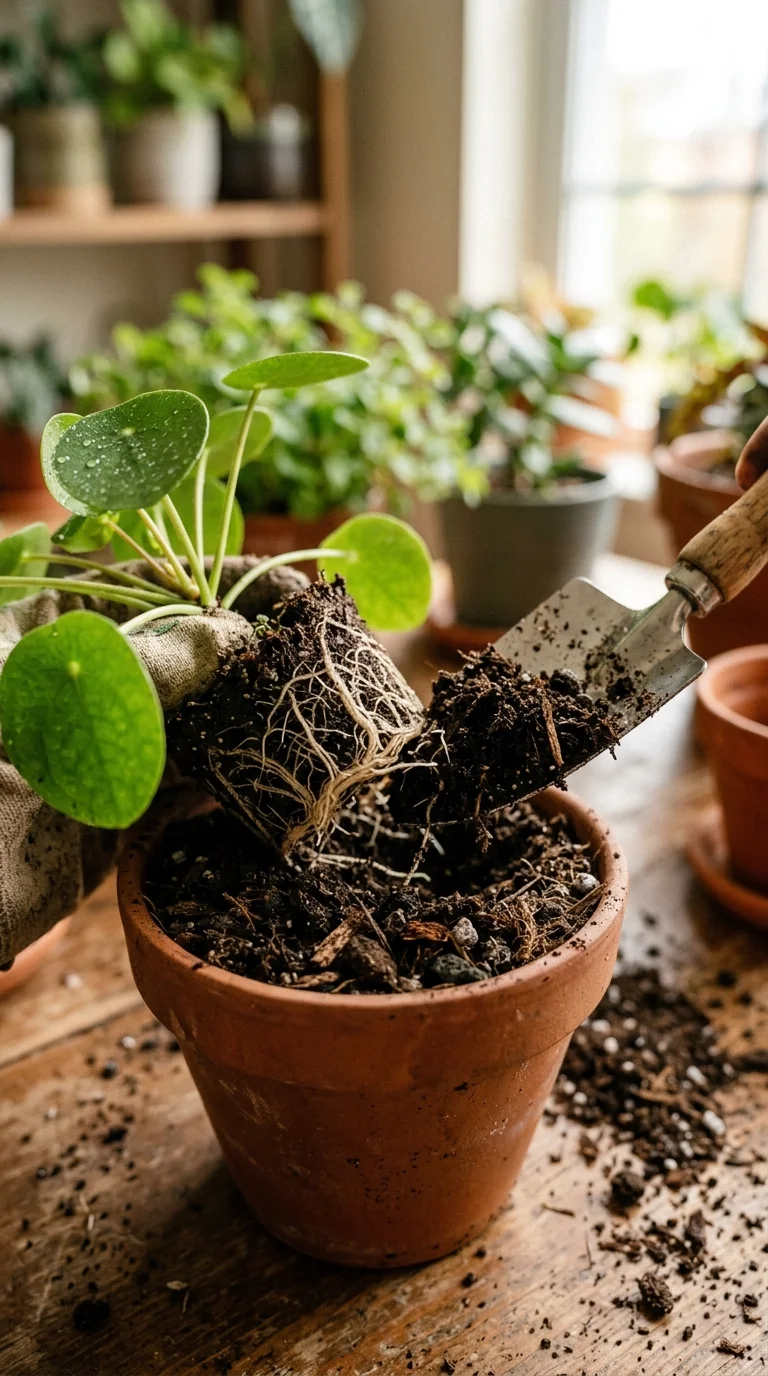
- Drought Tolerance: Many of these varieties, like the Jade Plant or the Ponytail Palm, store water in their leaves or stems. This means they can go weeks without a drink if life gets hectic.
- Slow Growth: Plants that grow slowly don’t need to be repotted often. You can enjoy your plant in its original container for years before it needs an upgrade.
- Pest Resistance: Generally, these hearty plants are less attractive to common houseplant pests like aphids or spider mites.
- Versatility: Many of these selections can handle a variety of spots in your home, from a bookshelf to a desk, as long as they aren’t in total darkness.
When comparing different types, think about your personal style. Do you love the trailing vines of a Pothos, which can grow several feet long? Or do you prefer the architectural, upright look of a Snake Plant? Choosing a plant that you genuinely enjoy looking at will make the occasional care routine feel more like a joy than a chore.
Don’t be afraid to experiment with placement. If a plant looks like it’s struggling, moving it just a few feet closer to a window can make a world of difference. Gardening is a learning process, and every plant you care for teaches you a little bit more about your home’s unique light and airflow.
Step-by-Step Guide for Thriving Indoor Shade Plants
If you have a dedicated “shade” area in your home, you have a perfect spot for greenery. Indoor shade plants can transform a dark bedroom or a dim bathroom into a refreshing retreat. Follow these simple steps to ensure your plants stay healthy and vibrant.
- Assess Your Lighting: Take a moment to watch your space throughout the day. Does it get a little bit of morning sun, or is it consistently dim? Knowing your light levels helps you pick the right spot.
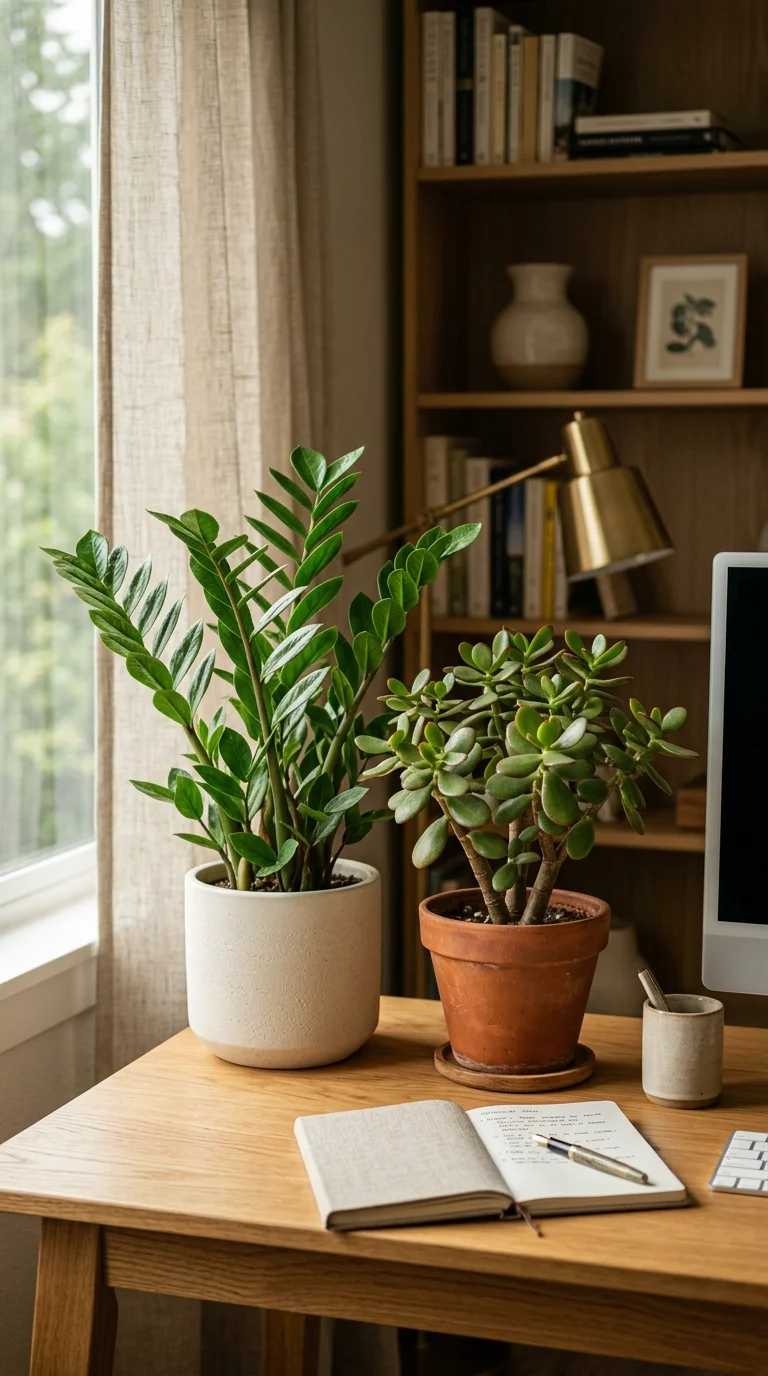
- Select the Right Pot: Always use a pot with a drainage hole at the bottom. This allows excess water to escape, preventing the roots from sitting in water, which is essential for plant health.
- Choose Quality Soil: Use a well-draining potting mix. You can often find mixes labeled for indoor plants, which contain perlite—those little white volcanic rocks—to help keep the soil airy and loose.
- Establish a Routine: While these plants are low-maintenance, they do best with a loose schedule. Check the soil moisture once a week by sticking your finger about an inch into the dirt. If it’s dry, it’s time to water.
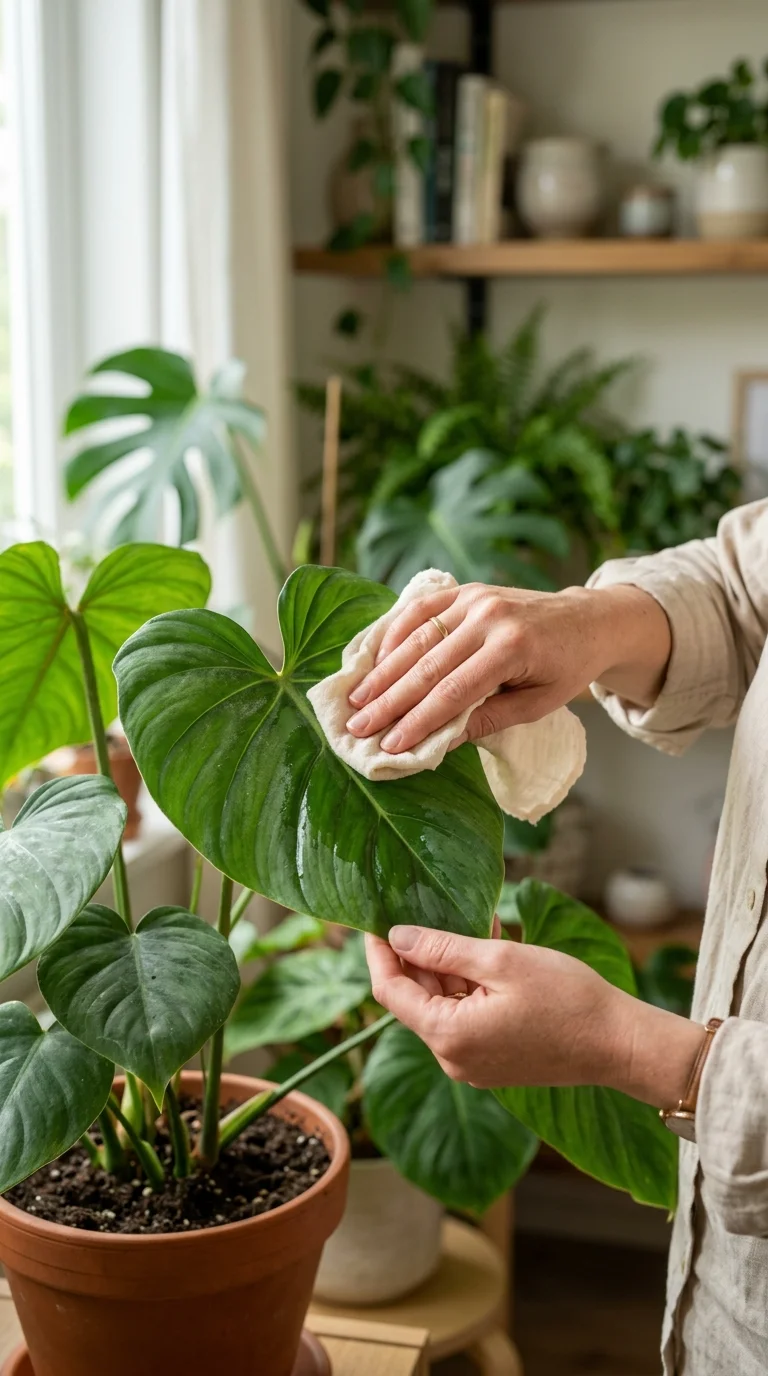
- Clean the Leaves: Dust can settle on leaves and block light. Gently wipe the leaves with a damp cloth every few weeks to keep them happy and breathing well.
- Rotate Occasionally: If your plant is leaning toward a light source, turn the pot a quarter-turn every time you water. This encourages even growth and keeps the plant from getting lopsided.
By following these simple steps, you are setting yourself up for long-term success. Remember, gardening is meant to be fun. If you miss a week of watering or forget to wipe the leaves, don’t worry! Your plants are likely much tougher than you think and will bounce back with a little extra attention next time.
Making “House Plant Easy” a Reality for Every Beginner
Many people feel intimidated by the idea of keeping plants alive. They worry about overwatering, underwatering, or choosing the wrong spot. However, “house plant easy” is a real goal that you can achieve by starting with the right mindset and the right species.
The most common mistake beginners make is over-loving their plants. It is very tempting to water your plants every time you walk by them, but most indoor plants prefer to have their soil dry out between waterings. Think of water as a treat, not a daily requirement. When in doubt, it is almost always safer to wait one more day.
Another key to success is observation. Your plant will talk to you if you know what to look for. If the leaves are turning yellow, you might be watering too much. If the tips are turning brown and crispy, the air might be too dry, or the plant might need a little more water. By checking your plants once a week, you stay ahead of any issues before they become real problems.
Don’t let the fear of a plant dying stop you from starting. Even the most experienced gardeners have lost a plant or two along the way. It is just part of the process. If a plant doesn’t make it, view it as a learning opportunity. Maybe that specific corner of your home was too dark, or maybe that species wasn’t the right fit for your routine.
Start with one or two plants that are known for being hardy, like a Spider Plant or a Philodendron. Once you feel comfortable with those, you can slowly add more to your collection. Before you know it, you will have a thriving indoor garden that brings you peace, beauty, and a sense of accomplishment every single day. You truly have a green thumb waiting to be discovered!
Frequently Asked Questions
Q: What is the easiest plant to maintain indoors?
A: Many gardeners find that the Snake Plant is the easiest to maintain because it is incredibly drought-tolerant and can handle almost any light level. It is a fantastic starting point for any beginner.
Q: Which plant requires the least maintenance?
A: The ZZ Plant is often cited as the lowest-maintenance option because it grows slowly and rarely needs water or repotting. It is truly a “set it and forget it” kind of plant.
Q: Which indoor plants need the least water?
A: Succulents like Aloe Vera, Jade Plants, and various cacti are excellent choices for those who want to water infrequently. They store water in their leaves, so they prefer to stay dry for long periods.
Q: Can I grow these plants if I have pets?
A: Some common houseplants can be toxic to pets if eaten, so it is always a good idea to check the safety of a plant before bringing it home. Many, like the Pothos, are popular but should be kept on high shelves away from curious cats or dogs.
Q: How do I know if my plant is getting too much light?
A: If the leaves look bleached, develop brown spots, or seem to be curling up, your plant might be getting too much direct sun. Try moving it to a spot with more indirect, soft light.
Q: Is it okay to move my plants around the house?
A: Generally, yes! If a plant seems unhappy in one spot, moving it to a different location can help. Just try to avoid moving them too often, as they like to settle into their environment.