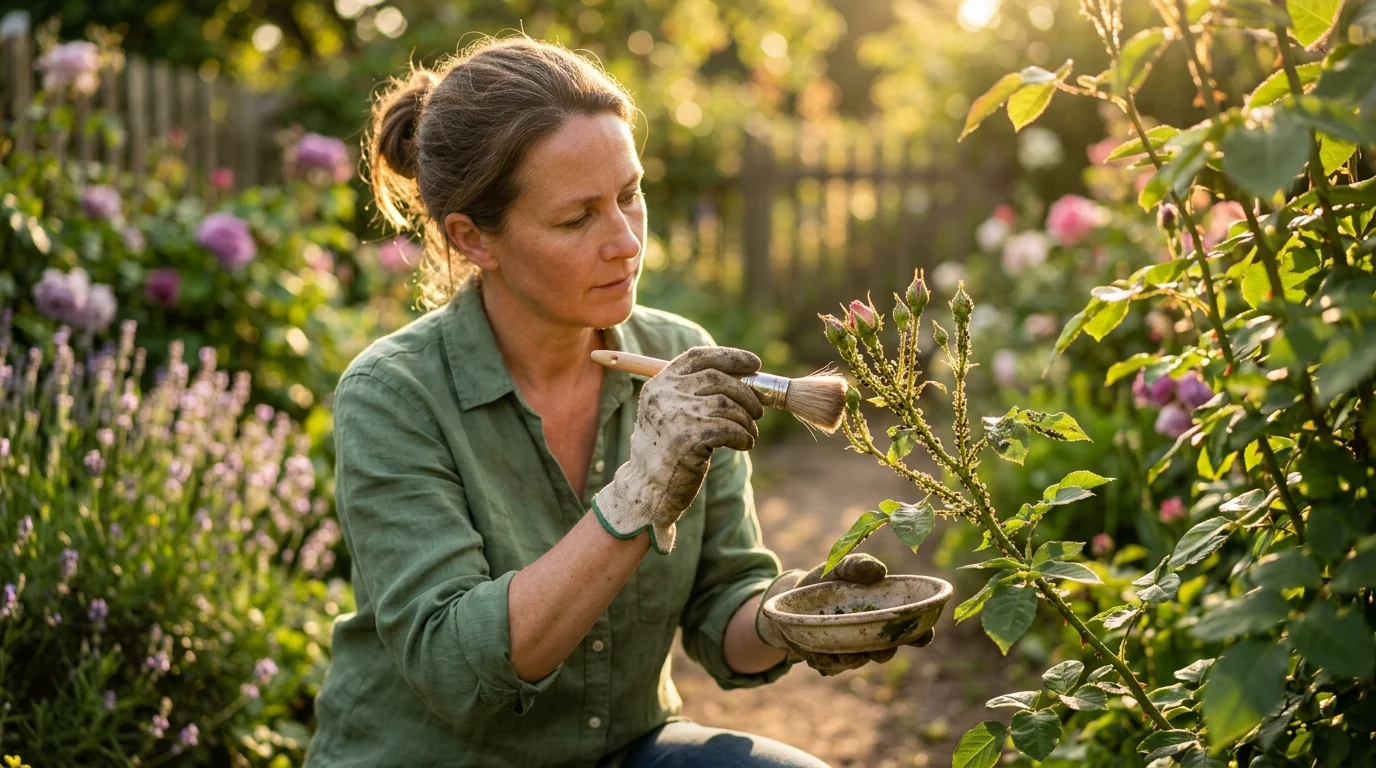
Imagine walking out to your beautiful garden with a warm cup of coffee, only to find your prized roses or fresh tomato plants covered in tiny, crawling bugs. It is a heart-sinking feeling that almost every single gardener goes through at some point in their journey. Today, I want to share my favorite gentle, natural secrets on how to get rid of aphids so you can restore peace and health to your backyard oasis.
Quick Answer: If you want to know how to get rid of aphids quickly, the easiest natural method is to blast them off your plants with a strong stream of water from your garden hose. For a more lasting solution, you can spray them directly with a mild homemade mixture of water and organic liquid soap, or apply natural neem oil to keep them from returning.
Choosing the Right Aphid treatment for Your Backyard Oasis
Before we look at the solutions, let us talk about what we are dealing with. Aphids are tiny, soft-bodied insects that love to gather in large groups on the tender parts of your plants. Many gardeners find them in shades of green, but they can also be black, yellow, brown, red, or even a dusty pink. They are very small, often measuring only a few millimeters, which is why they can easily hide under leaves before you even notice them.
These little pests have tiny, needle-like mouthparts that they use to pierce your plant’s stems and leaves. Once they poke through, they suck out the sweet sap, which is the very lifeblood of your plants. This sap gives your plants the energy they need to grow, bloom, and produce delicious vegetables. When hundreds of aphids feed on a single plant at the same time, they drain its energy quickly.
As aphids feed, they secrete a sticky, sugary liquid called honeydew. This sticky residue can coat your plant’s leaves and stems, making them look shiny and feel tacky to the touch. In most cases, this honeydew soon attracts a dark, dusty fungus called sooty mold. While sooty mold does not eat the plant directly, it can block crucial sunlight from reaching the leaves, making it hard for the plant to breathe and grow.
When you are looking for the best aphid treatment, it is important to think about the whole garden ecosystem. It can be tempting to run to the garden center and buy a heavy chemical spray to wipe them out instantly. However, these harsh chemicals often do far more harm than good in the long run. They do not just target the pests; they also kill the wonderful helper bugs that keep your garden healthy.
If you spray a broad-spectrum chemical, you might accidentally kill beautiful ladybugs, delicate lacewings, and busy honeybees. Without these helpful predators around, any surviving aphids will actually multiply much faster. This creates a frustrating cycle where you have to spray more and more often. Choosing a gentle, natural treatment helps keep your garden’s natural balance intact.
Every backyard is a tiny, living world where plants, soil, and insects all work together. When we choose a natural approach, we are helping nature solve the problem for us. In the next sections, we will explore how to identify these pests early and choose the safest methods to support your plants. With a little patience and the right steps, you can easily keep your garden thriving and pest-free.
Smart Preventive Steps for Long-Term Aphid control
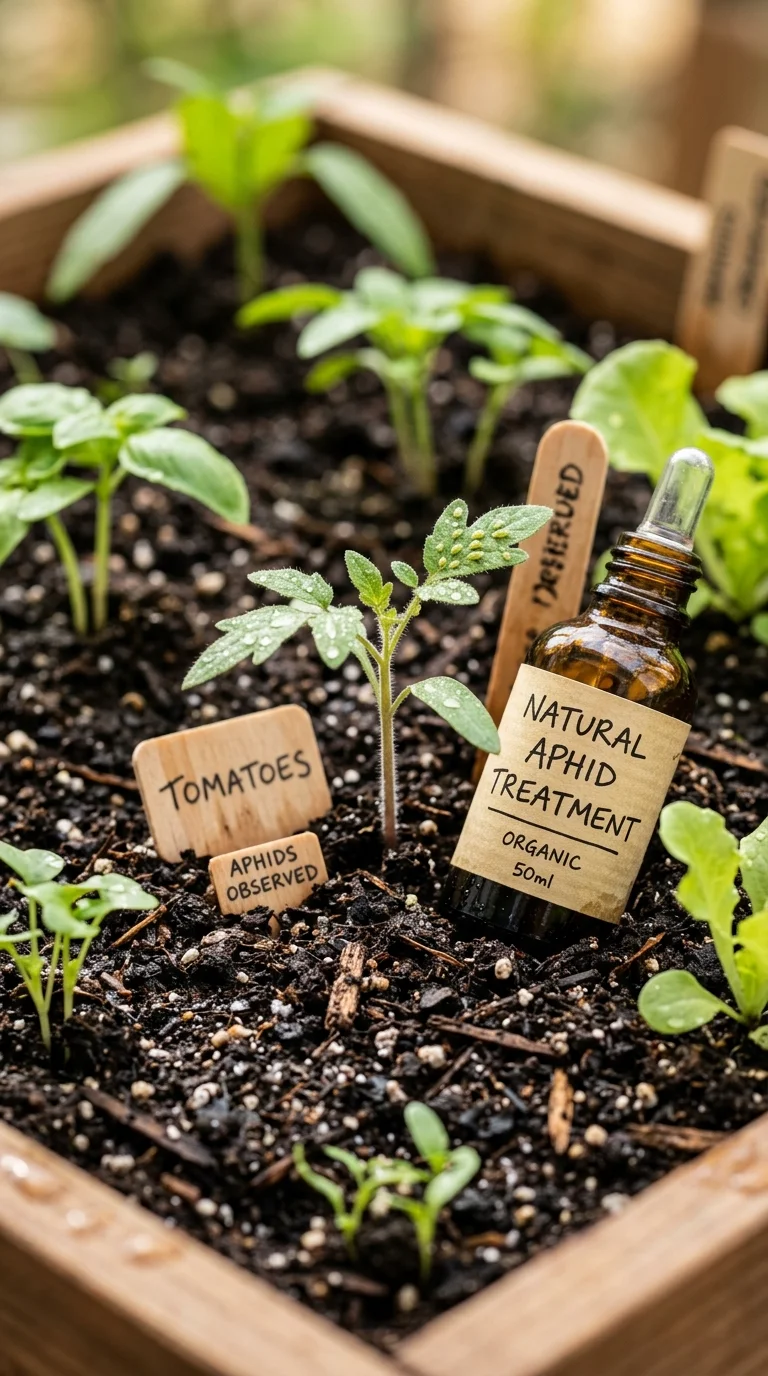
When it comes to keeping a beautiful garden, prevention is always your best friend. Creating a strong plan for aphid control is much easier than trying to fight a massive infestation once it has already taken over your favorite flower beds. By making a few simple changes to how you lay out and care for your garden, you can make your yard far less inviting to these little pests.
One of my favorite ways to protect my vegetables is by using what gardeners call “trap crops.” These are specific plants that aphids absolutely adore, which you intentionally plant far away from your prized vegetables. Think of them as a delicious distraction. Nasturtiums, zinnias, dahlias, and cosmos are wonderful trap crops because aphids will naturally flock to them instead of your tomatoes or lettuce.
Once the aphids gather on your trap crops, you can easily manage them in one isolated spot without worrying about your main harvest. On the flip side, you can also use plants that aphids absolutely hate to create a natural shield. Garlic, onions, chives, and leeks have very strong, aromatic scents that naturally repel many flying and crawling pests. Planting a border of these smelly herbs around your garden beds is a brilliant way to keep pests confused and away.
Another key part of natural control is welcoming beneficial helper insects into your backyard. Ladybugs, green lacewings, and hoverflies are nature’s very own pest control team. A single ladybug can eat thousands of aphids during its lifetime, making them incredibly valuable helpers. To invite these friendly predators to live in your yard, you should plant plenty of nectar-rich flowers.
Some of the best plants for attracting helper bugs include yarrow, sweet alyssum, dill, fennel, and wild buckwheat. These flowers provide food and shelter for adult beneficial insects, encouraging them to lay their eggs right in your garden. When their hungry babies hatch, they will immediately go to work searching your plants for aphids to eat. It is a beautiful, self-working system that keeps your garden in perfect harmony.
It is also highly helpful to keep an eye on the ants in your garden. You might notice ants crawling up and down your plant stems right alongside the aphids. Ants actually farm aphids because they love to eat the sweet, sticky honeydew that aphids produce. To protect their food source, ants will actively fight off ladybugs and other helpful predators.
If you can manage the ant population, your natural predators will have a much easier time doing their job. You can deter ants by trimming any lower branches that touch the ground, which cuts off their easy pathways up into your plants. You can also apply a sticky, natural barrier around the trunks of larger plants and fruit trees to keep ants from climbing up.
Simple and Eco-Friendly Ways to Kill aphids Fast
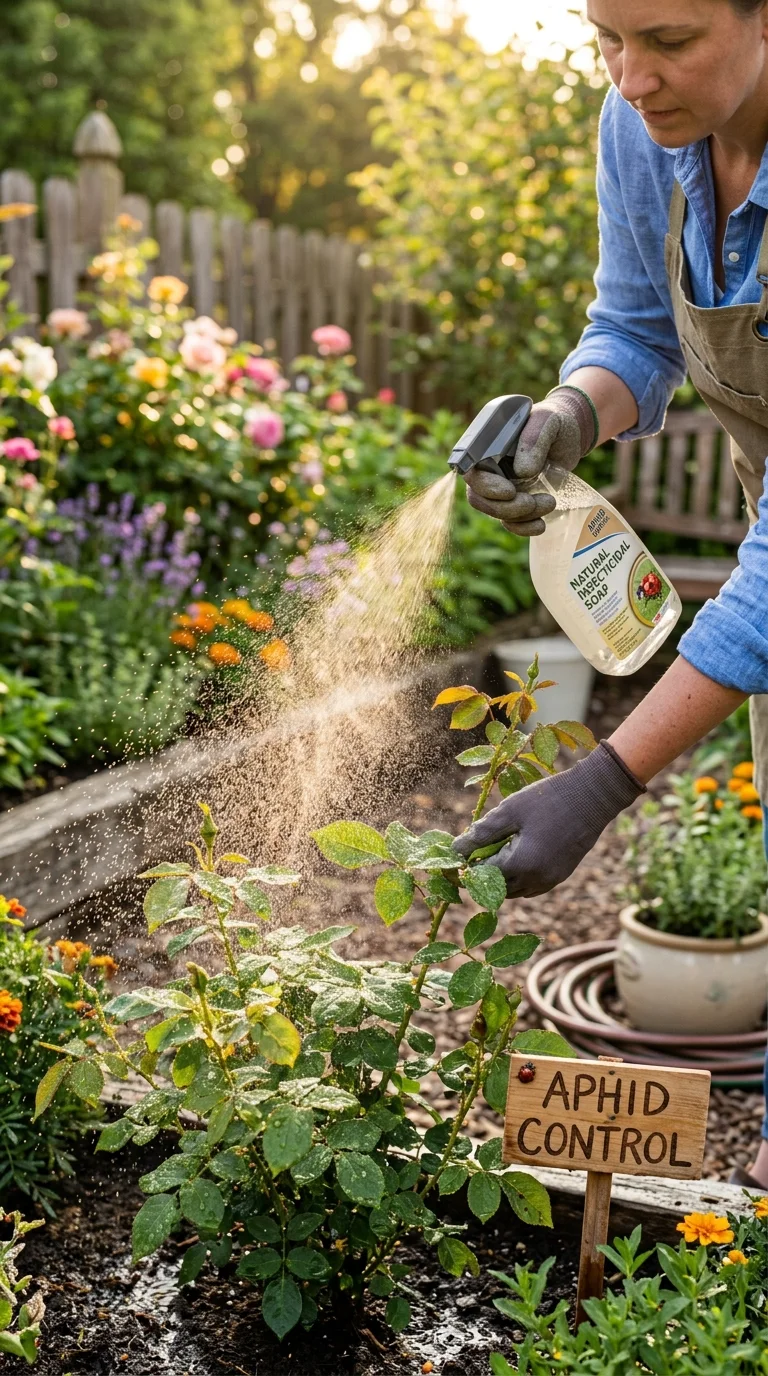
If you already have an active infestation, do not worry at all. There are several highly effective, gentle ways to kill aphids without using harsh chemicals. I always recommend starting with the gentlest methods first, as they are often all you need to get the job done. Let us walk through these simple steps together so you can choose the best option for your unique garden.
Step 1: The Water Blast Method
Before you mix up any sprays, grab your garden hose and attach a spray nozzle with a firm setting. Walk out to your infested plants and gently but firmly spray the areas where the bugs are clustering. Make sure to spray the undersides of the leaves, as this is where they love to hide from the sun. The physical force of the water will knock them off the plant and onto the ground.
Once they are on the ground, most of these tiny, soft-bodied insects are too weak to climb back up before predators find them. This is a fantastic, free method that you can repeat every few days to keep populations low. Just be careful not to use a spray so strong that it breaks your plant’s delicate branches or tears the leaves.
Step 2: The Homemade Soap Spray
If the water blast does not clear them all, you can easily make a highly effective insecticidal soap spray right in your kitchen. All you need is a clean spray bottle, warm water, and a mild, liquid soap. I highly recommend using a pure castile soap, like Dr. Bronner’s, or a simple, scent-free dish soap. Avoid using heavy laundry detergents or soaps with degreasers, as these can strip the protective waxy coating off your plant’s leaves.
Mix one to two teaspoons of the mild soap into a quart of warm water, and give it a gentle shake to combine. You can also add a tablespoon of vegetable oil to help the mixture stick to the leaves longer. Spray this mixture directly onto the aphids, making sure to coat them completely. The soap works by breaking down the waxy outer layer of the aphids’ bodies, which causes them to dry out and pass away quickly.
Step 3: Natural Neem Oil Spray
For a slightly stronger organic option, you can purchase a bottle of cold-pressed neem oil. Neem oil is a natural oil pressed from the seeds of the neem tree, and it has been used by gardeners for generations. It contains natural compounds that disrupt the feeding and growth cycles of many pest insects. It also acts as a mild fungicide, which can help control any black sooty mold on your leaves.
To use it, follow the instructions on your specific bottle to dilute the oil with water and a tiny drop of soap. Spray it thoroughly over all affected areas of your plants in the early morning or late evening. Like the soap spray, neem oil must make direct contact with the pests to work its magic. It is a wonderful tool to keep in your gardening shed for both outdoor plants and indoor houseplants.
Step 4: Releasing Ladybugs
If you want to try a fun and highly interactive method, you can actually purchase live ladybugs from your local garden center or online. This is a wonderful project to do with children, and it is incredibly satisfying to watch. To keep your new helpers from flying straight over to your neighbor’s yard, it helps to release them in the cool of the evening.
Before you open the container, gently mist your plants with water so the ladybugs have a refreshing drink waiting for them. Release them at the base of your infested plants, and they will naturally crawl upward in search of food. They will quickly find the aphid clusters and start their helpful work.
How to Get rid of aphids on plants Without Harming Your Garden
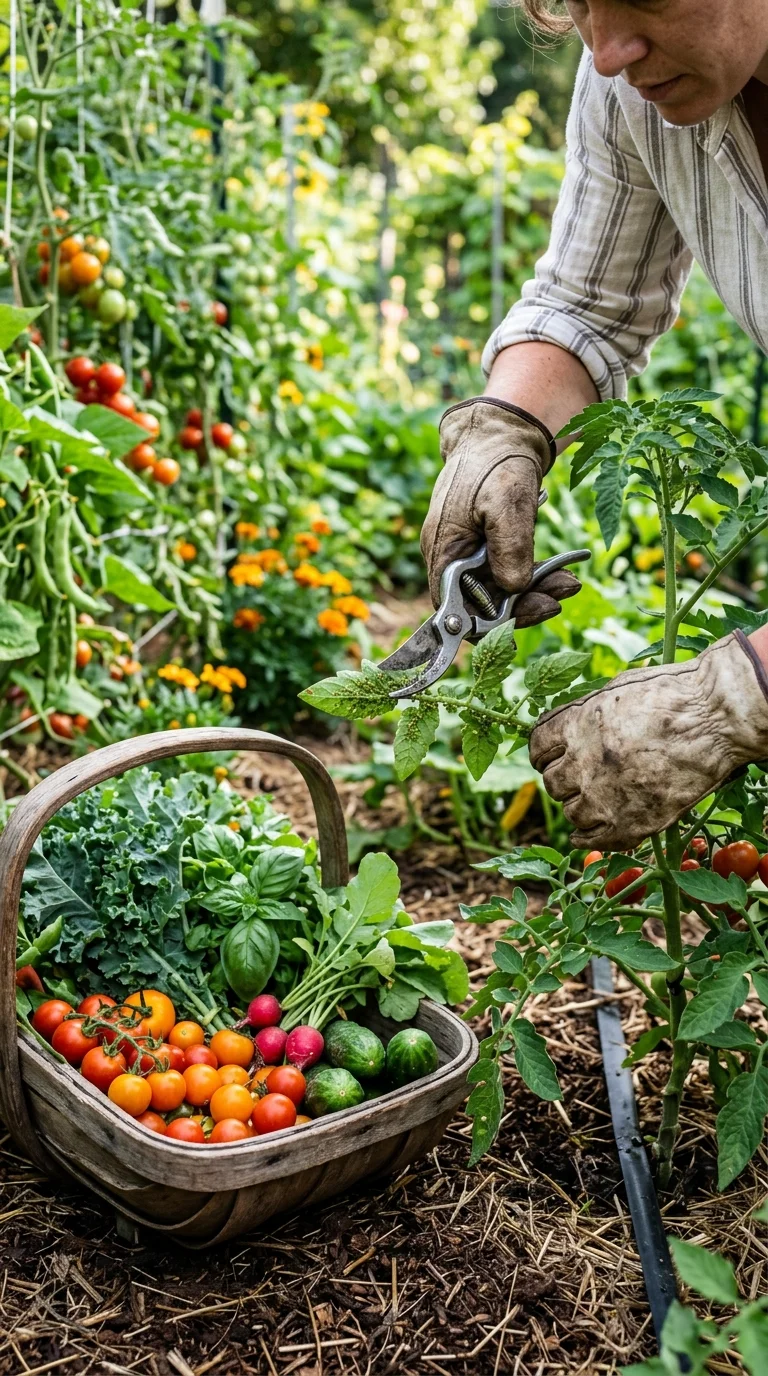
When you are working to get rid of aphids on plants, it is very easy to make a few common beginner mistakes. Even natural remedies can stress your plants if they are applied incorrectly. I want to help you avoid these little pitfalls so your garden stays happy, green, and completely stress-free throughout the process.
One of the most common mistakes is spraying your plants with soap or oil mixtures during the hottest part of the day. When the bright midday sun hits wet leaves coated in oil or soap, it can act like a magnifying glass. This can easily scorch and burn the delicate leaf tissue, leaving ugly brown spots behind. To prevent this, always apply your treatments in the early morning before the sun gets high, or in the late evening when the air cools down.
Another important rule is to always perform a quick patch test before spraying an entire plant. Just like humans, some plants have much more sensitive skin than others. Spray a tiny, hidden leaf with your mixture and wait about twenty-four hours to see how it reacts. If the leaf looks healthy and green the next day, you are completely safe to spray the rest of the plant.
If you are dealing with delicate herbs like basil or cilantro, you might want to be extra gentle. For these plants, a simple hand-wiping method can work wonders if the infestation is still small. Put on a soft pair of gardening gloves, dip your fingers in clean water, and gently slide them along the stems to squash and wipe away the pests. It is a peaceful, hands-on way to connect with your garden while keeping it clean.
It is also helpful to understand that stressed plants are much more attractive to pests than healthy ones. When a plant is struggling from too little water, poor soil, or too much direct wind, its natural defenses go down. Aphids can easily sense this weakness and will target these struggling plants first. By keeping your plants watered, mulched, and well-nourished, you are giving them the strength they need to naturally resist pests.
Finally, keep a close eye on your fertilizer use. Many gardeners love to use synthetic, high-nitrogen fertilizers to make their plants grow as fast as possible. However, this rapid growth produces very soft, juicy, and sappy new stems. This tender new growth is the absolute favorite food of aphids, and it can actually trigger a massive pest population explosion. Using slow-release, organic plant foods is a much safer way to encourage steady, strong growth.
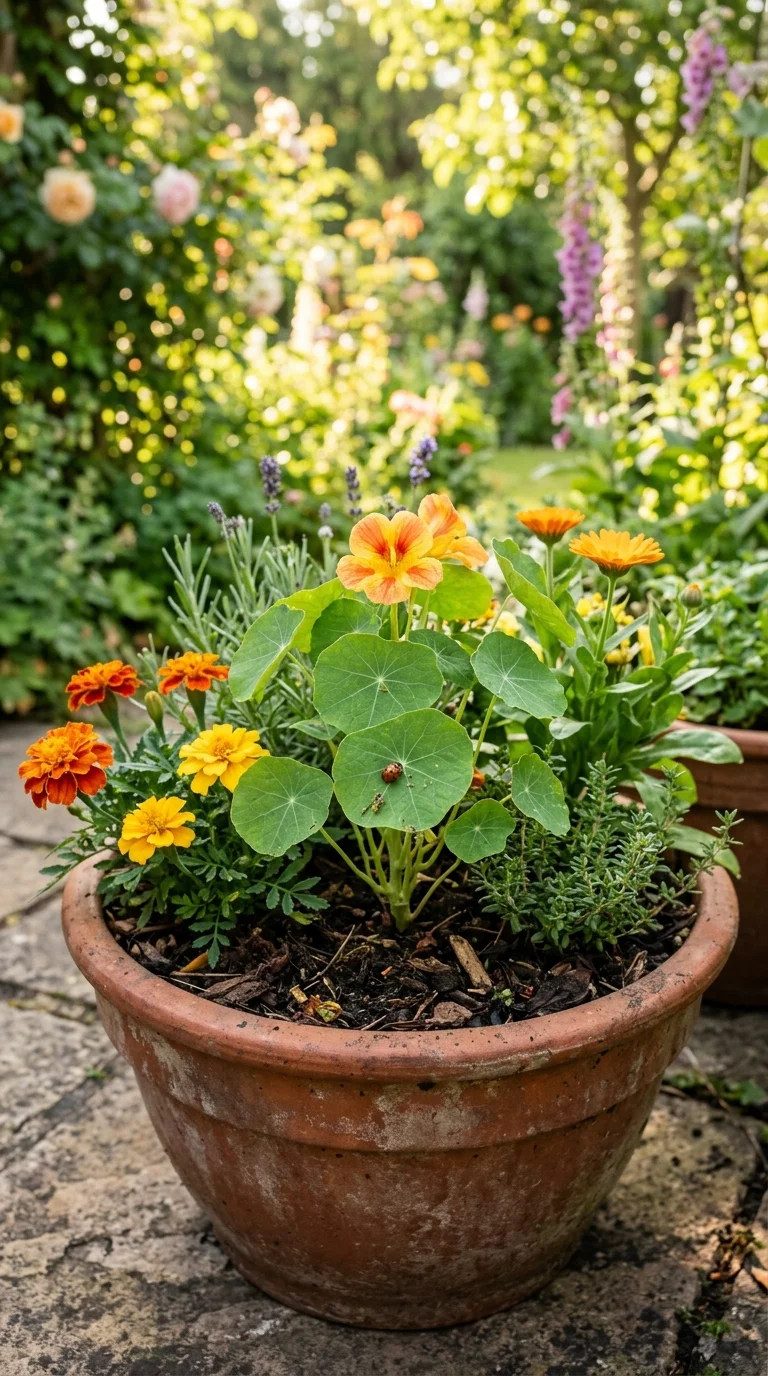
Strategic Garden Layout & Spacing Canvas
The way you arrange your plants can play a massive role in how pests behave in your yard. In permaculture, which is a way of designing gardens to mimic natural ecosystems, we learn that variety is the key to health. When you plant long, single rows of the exact same crop, you are essentially building an all-you-can-eat buffet for pests. Once an aphid finds one plant, it can easily hop, crawl, or fly to the next one right next to it.
By using a dynamic, mixed garden layout, you can make it much harder for pests to find their favorite foods. Mixing different types of vegetables, herbs, and flowers together creates a beautiful tapestry that confuses pests. It also creates a much more inviting home for the beneficial insects that we want to welcome into our yards.
Keyhole garden layouts and curved, circular beds are wonderful ways to maximize your growing space while keeping plants healthy. These designs allow you to easily reach every plant without stepping on and compacting the soil. Compacted soil prevents water and air from reaching plant roots, which can stress your plants and make them more vulnerable to pests.
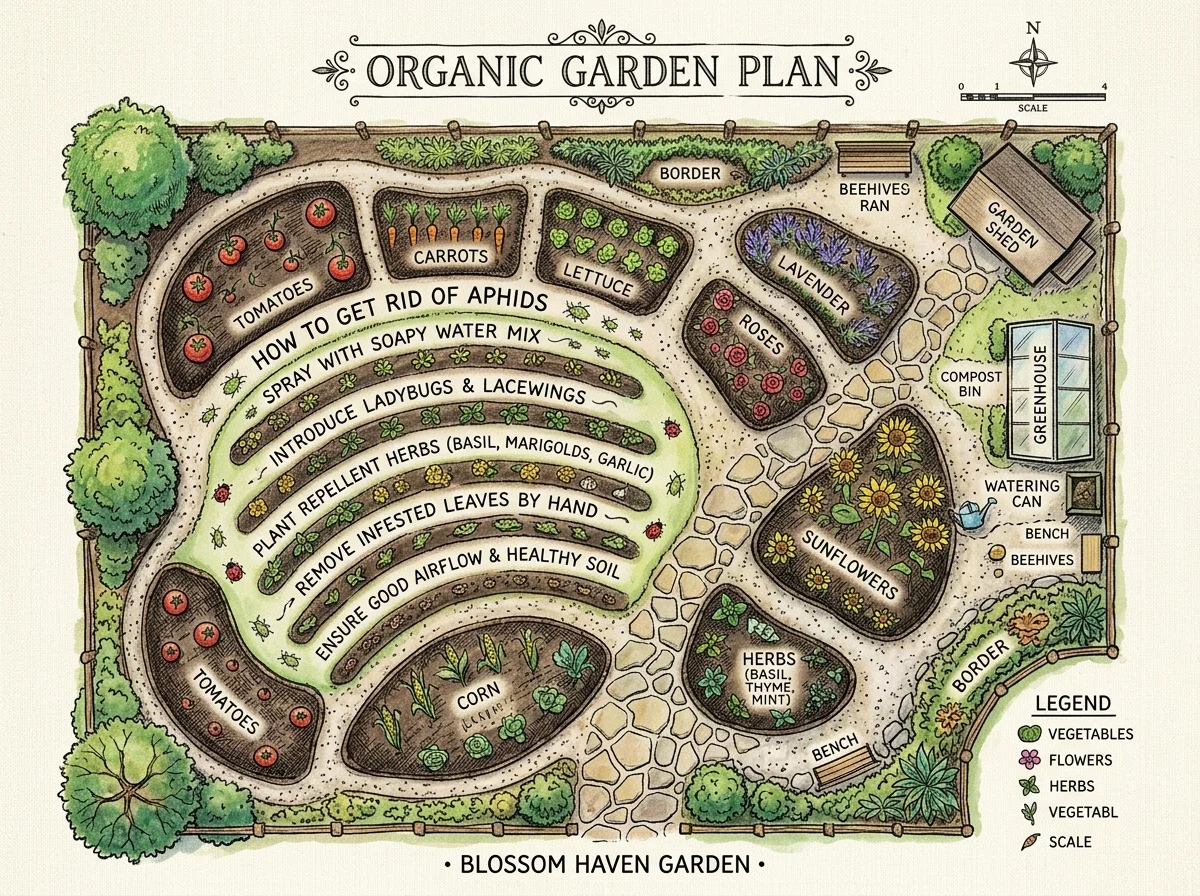
Companion planting tip: Plant your tomatoes near aromatic basil and golden marigolds to deter pests naturally and enhance yields!
Nutrient Optimization & Organic Feeding Guide
To build a truly pest-resistant garden, we must start from the very ground up. Healthy, living soil is the foundation of all successful gardening. When your soil is rich in diverse nutrients and beneficial microbes, your plants will grow incredibly strong. This strength starts at the cellular level, creating tough cell walls that make it very difficult for aphids to pierce and feed.
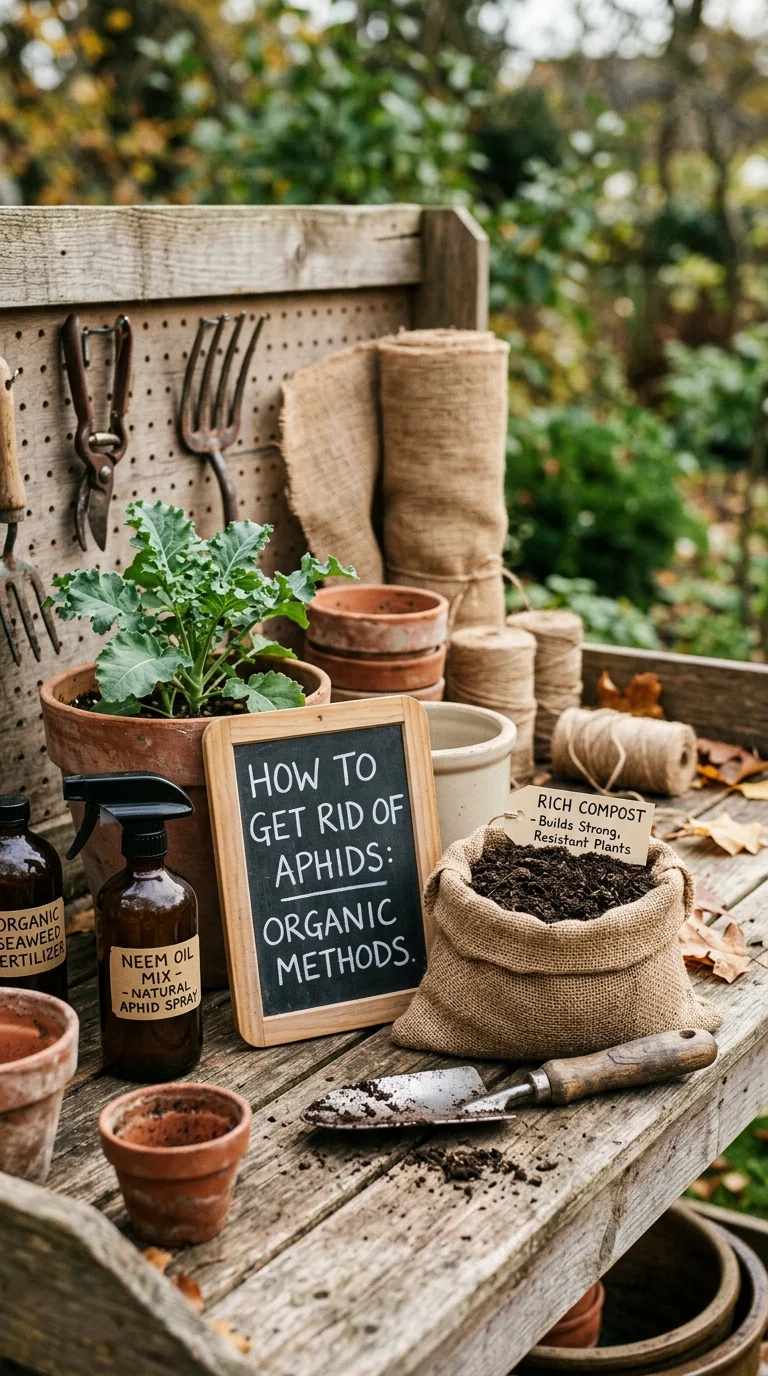
I highly recommend feeding your soil with rich, organic compost at least once or twice a year. Compost is like gold for your garden, filled with organic matter that feeds the complex soil food web. The soil food web is a beautiful community of tiny fungi, beneficial bacteria, and earthworms that work together to break down nutrients and deliver them directly to your plant’s roots.
Another wonderful, gentle fertilizer to use is slow-release worm castings. Worm castings are incredibly gentle and will never burn your plant’s roots, no matter how much you use. They are packed with beneficial microbes that help improve soil structure and water retention. Many gardeners find that plants grown in soil rich with worm castings are much more resilient to pest attacks.
You can also use organic seaweed or kelp fertilizers to give your plants an extra boost of strength. Seaweed fertilizer is packed with trace minerals and natural growth hormones that help plants cope with environmental stress, like extreme heat or drought. You can apply it as a liquid drench around the roots, or spray it directly onto the leaves as a foliar feed.
By focusing on these organic feeding methods, you avoid the sudden, watery growth spurts caused by synthetic chemical fertilizers. Instead, your plants will grow at a natural, steady pace, developing strong stems and thick leaves that pests find very unappealing. It is a slow, loving process that pays off beautifully with vibrant, healthy plants that can easily handle a few pests.
Ultimate Harvesting & Seasonal Blooms Rewards
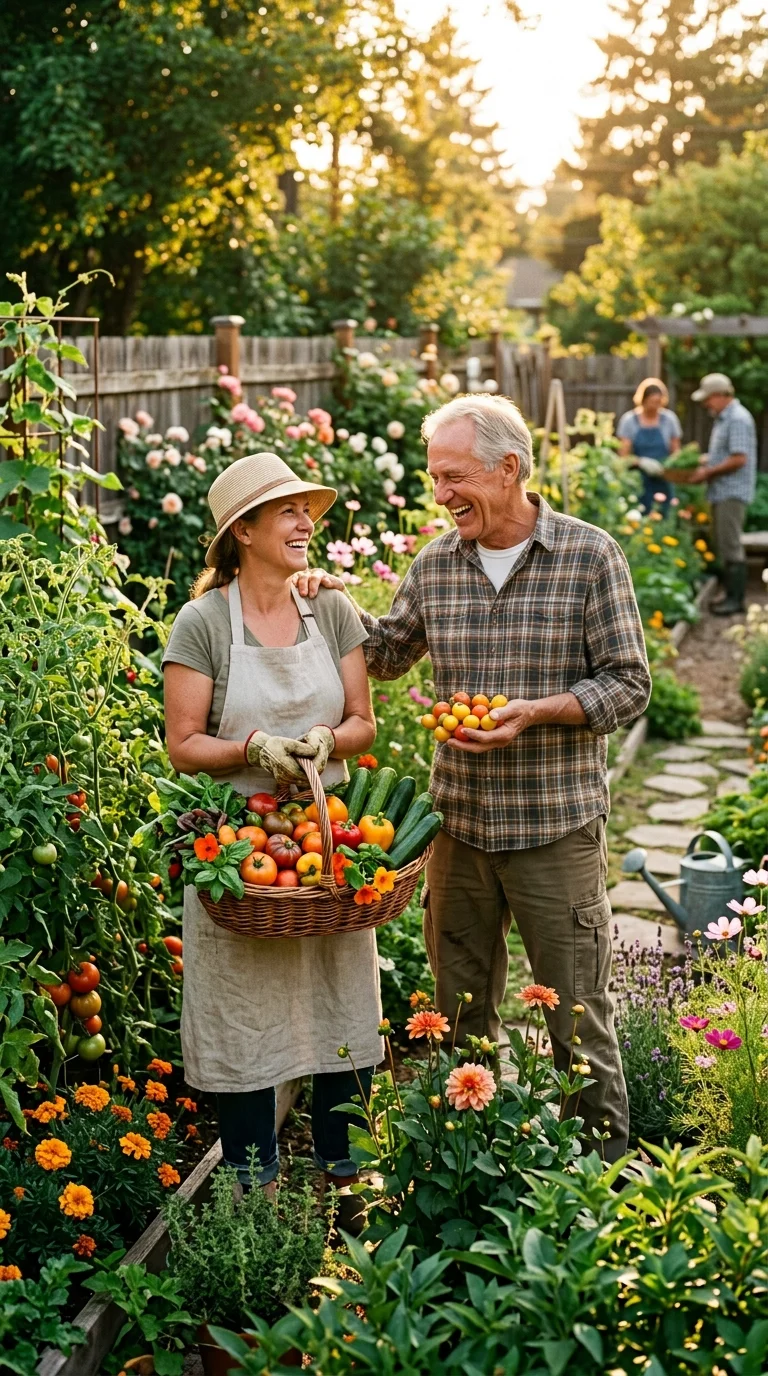
There is absolutely nothing quite like the feeling of stepping out into a lush, healthy garden to harvest your own fresh food and flowers. When you manage pests naturally, you can pick a warm, ripe tomato or a handful of fresh basil and eat it straight from the vine without any worries about chemical residues. It is a pure, joyful connection to nature that makes all your hard work completely worth it.
To get the absolute best flavor from your harvest, try to pick your vegetables and herbs in the cool of the morning. This is when your plants are fully hydrated from the night air, making them crisp, sweet, and packed with nutrients. If you are harvesting leafy greens, harvesting early in the day also keeps them from wilting too quickly in your kitchen.
As the growing season begins to wind down, you can also enjoy the rewarding process of saving your own seeds. Saving seeds from your strongest, healthiest plants is a wonderful way to build a garden that is perfectly adapted to your local climate. Over time, these plants will naturally become more and more resilient to local pests and weather conditions.
Simply let a few of your best flowers or vegetables go to seed at the end of the summer. Collect the dry seeds on a sunny afternoon, store them in labeled paper envelopes, and keep them in a cool, dry place until next spring. It is a beautiful, circular journey that connects you deeply to the natural rhythm of the seasons.
By cultivating a balanced, chemical-free backyard, you are doing so much more than just growing food. You are creating a safe haven for local birds, busy bees, beautiful butterflies, and helpful ladybugs. It is a living, breathing ecosystem that will bring you endless joy, peace, and beautiful blooms year after year.
Frequently Asked Questions
Q: Will dish soap hurt my plants when I spray them?
A: In most cases, a mild soap spray is completely safe for your plants. However, some delicate plants like sweet peas, ferns, or direct ivy can be sensitive to soaps. It is always a wonderful idea to test your spray on one small leaf first and wait twenty-four hours to see how the plant reacts before spraying the whole thing.
Q: How often should I spray my plants to get rid of aphids?
A: Many gardeners find that spraying their plants once every two to three days for about a week is highly effective. This helps catch any newly hatched aphids that were missed during the first application. Once you do not see any more pests, you can stop spraying and let your helpful garden predators take over.
Q: Why are there so many ants crawling near my aphids?
A: Ants absolutely love to eat the sweet, sticky honeydew that aphids produce as they feed. Because of this, ants will actually act like tiny bodyguards, protecting the aphids from ladybugs and other natural predators. Managing the ants in your yard is a very important step in keeping your aphid populations under control.
Q: Can I use neem oil on my indoor houseplants?
A: Yes, neem oil is a fantastic, natural option for indoor plants as well as outdoor gardens. Just make sure to move your houseplants out of direct, hot sunlight right after spraying to prevent the leaves from getting scorched. It also has a unique, earthy scent, so you might want to spray them in a well-ventilated room or garage.
Q: What is the fastest way to get rid of aphids naturally?
A: The absolute fastest way is to blast them off your plants with a firm, steady stream of water from your garden hose. This instantly knocks them off the stems and leaves, disrupting their feeding and leaving them vulnerable on the ground. You can follow this up with a gentle soap spray for any stubborn pests that remain.
Q: Will aphids eventually go away on their own?
A: In a balanced, healthy garden ecosystem, aphid populations will often decline naturally once helper insects like ladybugs and lacewings discover them. However, if your garden lacks these helpful predators, the aphid population can grow very quickly. Taking a few gentle, natural steps helps support your garden until nature finds its perfect balance.