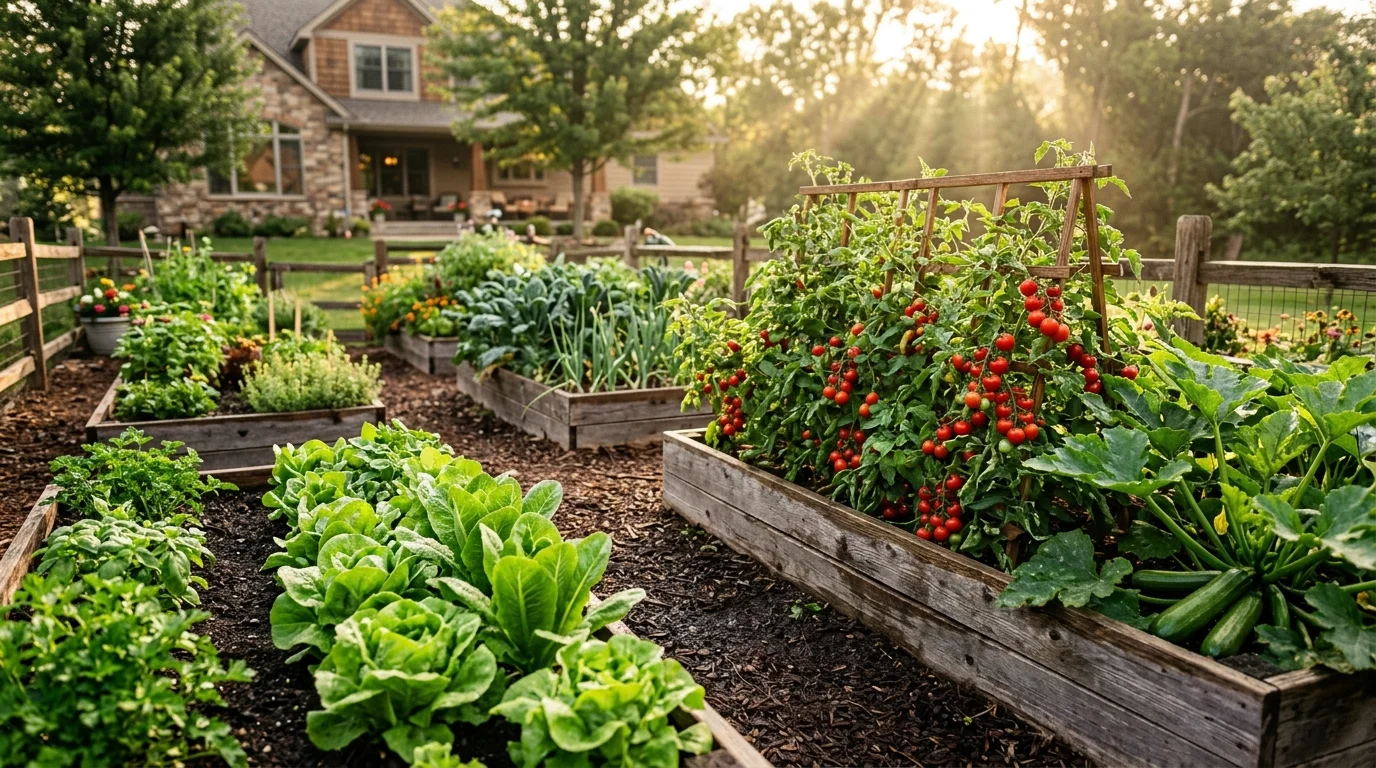
Do you dream of walking into your yard and picking fresh, juicy tomatoes? It can feel a bit scary if you have never grown anything before. In this guide, I will show you exactly how to start a vegetable garden from scratch.
Quick Answer: To learn how to start a vegetable garden, you just need to choose a sunny spot, prepare some rich soil, and start with a few easy plants. Many gardeners find that starting small with a simple raised bed or a few pots is the best way to ensure success.
Your Complete Guide to Gardening for Beginners
Starting your first garden is a wonderful journey. When you look into gardening for beginners, it is best to keep things simple. You do not need a degree in botany to grow beautiful, delicious food. You just need a little bit of patience and some basic knowledge.
Many new gardeners feel overwhelmed by all the choices. You might see giant gardens online and think you need to match them. Please do not worry about that. A small, well-tended space will bring you much more joy than a large, messy one.
The Magic of Soil, Sun, and Water
To get started, you need to understand the three pillars of plant life. These are sunlight, water, and soil. If you get these three things right, your plants will do most of the work.
First, let us talk about sunlight. Most vegetables need at least six to eight hours of direct sun every day. Sunlight gives plants the energy to make sweet fruits and crisp leaves. If your yard is shady, you can still grow leafy greens, but sun-loving plants like tomatoes will struggle.
Next is water. Plants need steady moisture to grow strong. However, too much water can drown the roots. You want your soil to feel like a wrung-out sponge—moist but not soggy.
Finally, we have the soil. Think of soil as your plants’ pantry. It needs to be full of rich nutrients. We often call good soil “loamy,” which just means it is loose, crumbly, and full of organic matter like compost.
Essential Tools for Your Journey
You do not need to buy every tool in the garden center. In fact, you only need a few basic items to get started. A simple set of tools will make your chores much easier.
Here are the tools I recommend for every beginner:
- A Hand Trowel: This is a small, pointed shovel used for digging small holes and planting seedlings.
- A Watering Can or Hose: You will need a way to deliver water gently to your plants.
- Garden Gloves: These protect your hands from thorns, dirt, and insects.
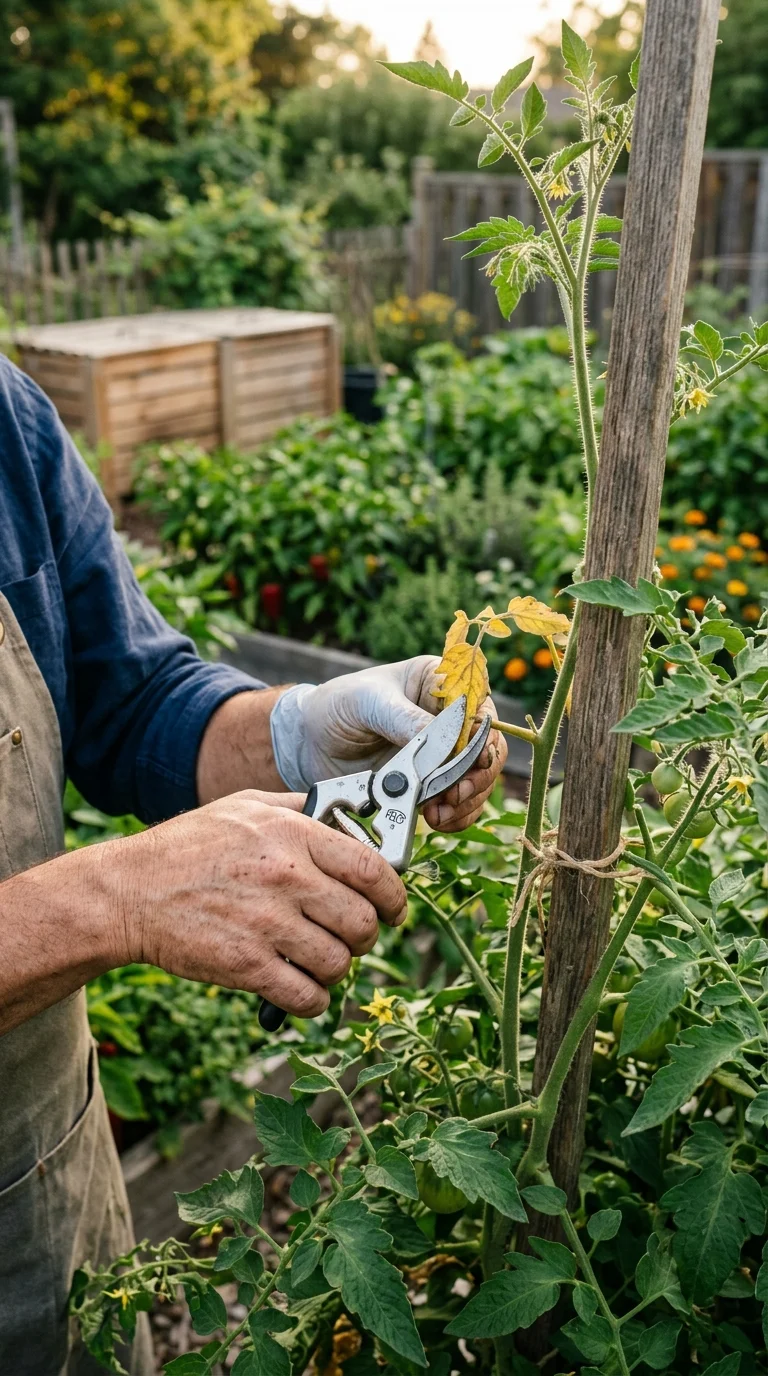
- Hand Pruners: These sharp shears are perfect for harvesting your veggies and trimming dead leaves.
- A Garden Fork: This tool helps you loosen hard dirt and mix in compost.
Seven Common Mistakes to Avoid
Many first-time gardeners make the same mistakes. Knowing what these are can help you avoid them. This will save you time, money, and a lot of frustration.
First, do not plant too much at once. It is very easy to buy too many seeds in the spring. Start with just three or four types of vegetables.
Second, do not ignore your soil. Plain backyard dirt is often too hard or lacks nutrients. Always mix in some compost before you plant.
Third, watch your watering habits. Many beginners water their plants a little bit every single day. It is usually better to water deeply a few times a week. This encourages the roots to grow deep into the ground.
Fourth, do not plant everything at the same time. Some crops love the cool spring air, while others need summer heat. We will talk more about timing later in this guide.
Fifth, check your sun exposure before you plant. Do not guess how much sun an area gets. Actually watch the spot throughout the day to make sure it gets enough light.
Sixth, do not forget to harvest. Many vegetables stop producing if you leave the ripe fruit on the plant. Picking your veggies regularly actually tells the plant to make more.
Lastly, do not start with very difficult crops. Skip the finicky plants like cauliflower or head lettuce for now. Stick to the easy winners that want to grow.
Easy Vegetables to Grow in Pots
If you do not have a big yard, do not worry. You can still grow a wonderful harvest using containers. Finding Easy vegetables to grow in pots is a great way to start your gardening journey.
Pots are fantastic because they are highly portable. You can move them around to follow the sun. They also keep your plants safe from many ground-dwelling pests and weeds.
Choosing the Right Pots
The most important rule of pot gardening is drainage. Every pot you use must have holes in the bottom. If water cannot drain out, the roots will sit in water and rot.
The size of the pot also matters a lot. Small pots dry out very quickly in the summer heat. For most vegetables, you want a pot that is at least 12 inches wide and deep. Larger plants like tomatoes need even bigger pots, like a 5-gallon bucket.
You can use plastic pots, terracotta clay pots, or fabric grow bags. Plastic pots hold moisture well and are very lightweight. Terracotta pots look beautiful, but they let water evaporate quickly. Fabric bags are wonderful because they let air reach the roots, which keeps them healthy.
The Secret of Potting Mix
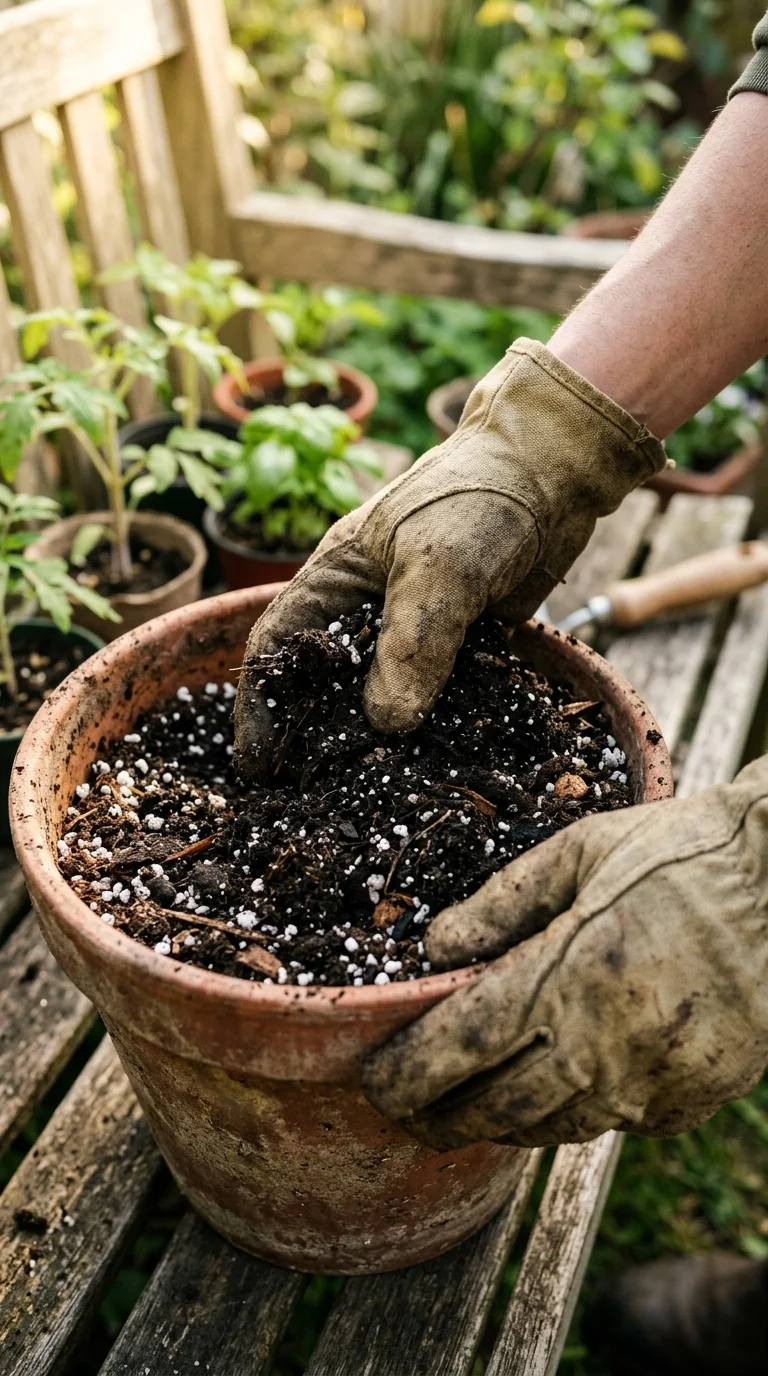
Never fill your pots with regular dirt from your yard. Yard dirt is too heavy and will pack down tight inside a pot. This prevents water from draining and stops air from reaching the roots.
Instead, always use a high-quality potting mix. Potting mix is lightweight and contains ingredients like peat moss and perlite. Perlite looks like little white foam balls, and it helps keep the soil loose. Many potting mixes also contain slow-release plant food to help your veggies grow.
Top Vegetables for Container Gardens
Some vegetables are naturally suited for life in a pot. They do not mind having their roots confined to a small space. Here are some of the best choices for your patio or balcony:
- Salad Greens: Lettuce and spinach have very shallow roots. They grow quickly and can be harvested multiple times.
- Radishes: These are super fast to grow. You can harvest them just three to four weeks after planting the seeds.
- Cherry Tomatoes: Look for “bush” or “determinate” varieties. These stay small and compact but still produce sweet fruit.
- Green Beans: Bush beans do not need a tall trellis to climb. They grow into neat little bushes that fit perfectly in pots.
- Herbs: Basil, parsley, and chives love living in pots. You can keep them right outside your kitchen door.
Watering Your Pots Correctly
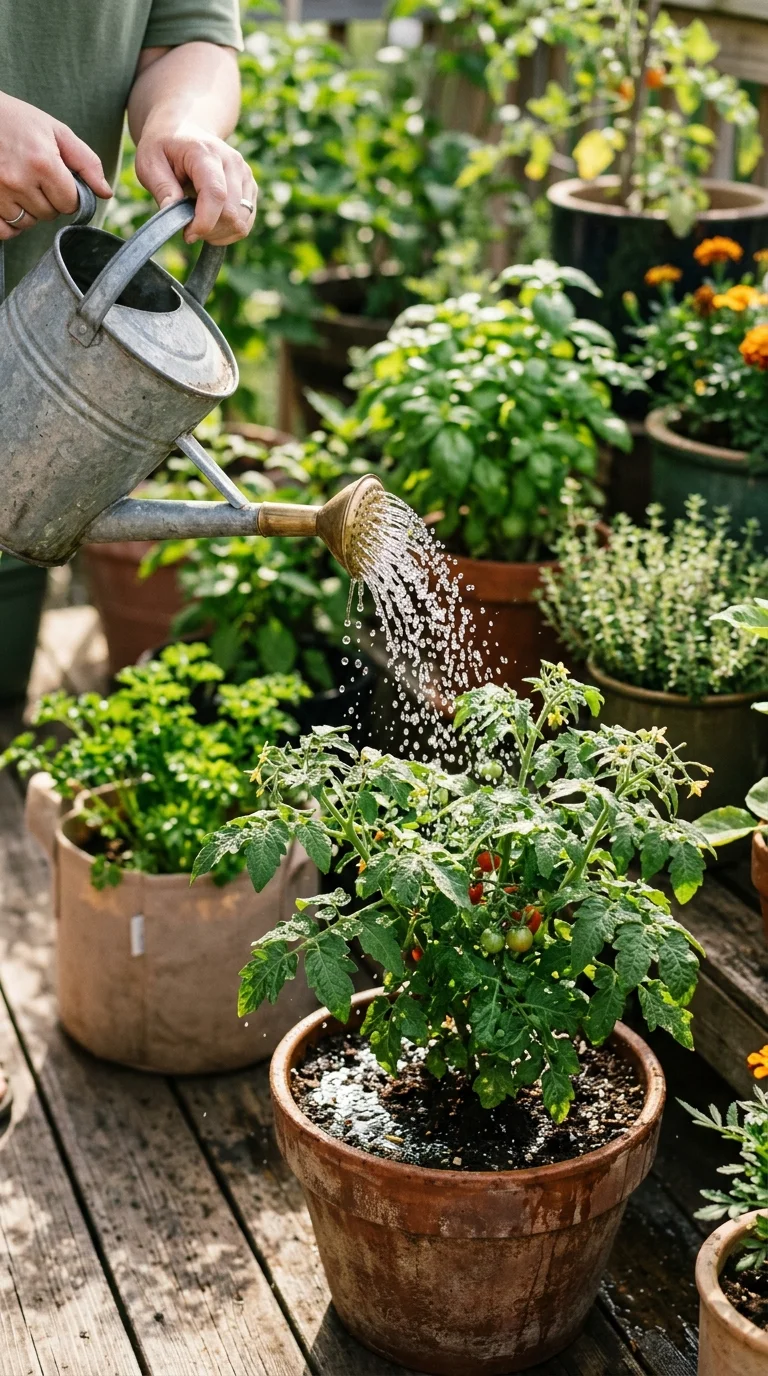
Pots need more water than plants in the ground. In the hot summer, you may need to water your pots every single day. The best way to check is to push your finger an inch into the soil. If it feels dry, it is time to water.
When you water, pour until you see water running out of the bottom holes. This ensures that all the roots deep in the pot get a good drink. Try to water in the morning so the leaves have time to dry before nightfall. Wet leaves at night can sometimes lead to plant diseases.
How to Set Up a Vegetable Garden in Your Backyard
If you have some open space, building a vegetable garden in your backyard is incredibly rewarding. It gives you the room to grow a wider variety of plants. You can create a beautiful space that becomes your favorite place to unwind.
Before you dig, you need to make a plan. A little preparation now will save you hours of hard work later. Let us walk through the steps to set up your backyard garden.
Step 1: Choose the Perfect Location
Walk around your yard at different times of the day. Look for the spot that gets the most direct sunlight. Avoid placing your garden near large trees, as their roots will steal water and nutrients.
Make sure your garden is close to a water source. If you have to drag a heavy hose across the yard, you might avoid watering. Keep it close and convenient.
Step 2: Decide on In-Ground or Raised Beds
You can plant directly in the ground, or you can build raised beds. In-ground gardens are the cheapest way to start. You just need to clear the grass and loosen the soil.
Raised beds are boxes filled with soil that sit on top of the ground. They are very popular because they look neat and save your back from bending over. They also give you perfect control over your soil quality. A standard 4x4-foot or 4x8-foot raised bed is the perfect size for beginners.
Step 3: Clear the Area and Prep the Soil
If you choose an in-ground garden, you must remove the grass first. You can dig it up with a spade, or cover it with cardboard to smother it. Once the grass is gone, loosen the dirt to a depth of about 12 inches.
Next, add a thick layer of compost. Compost is decomposed organic matter that feeds your soil. You can buy bag compost at the store or make your own from kitchen scraps. Mix the compost into your loose dirt to create a rich home for your plants.
Step 4: Plan Your Garden Layout
Do not just plant things randomly. Think about how big each plant will get when it is fully grown. For example, tall plants like corn or trellised tomatoes should go on the north side of your garden. This prevents them from casting shade on shorter plants like lettuce.
Leave paths between your planting areas. You need to be able to walk around to weed and harvest without stepping on your soft soil. Stepping on the soil packs it down, which makes it hard for roots to grow.
Step 5: Planting Your Seeds and Seedlings
Some plants are best started from seeds sown directly into the dirt. These include carrots, radishes, and beans. Other plants, like tomatoes and peppers, take a long time to grow. It is usually best to buy these as young plants from a nursery and transplant them.
When transplanting, dig a hole slightly larger than the plant’s root ball. Gently remove the plant from its plastic pot and place it in the hole. Fill in the dirt around it and press down gently. Always water your new transplants immediately to help them settle in.
Step 6: Mulch and Maintenance
Mulch is a layer of material placed on top of the soil. You can use straw, shredded leaves, or clean grass clippings. Mulch is a gardener’s best friend.
It helps keep moisture in the soil so you do not have to water as often. It also blocks sunlight, which stops weeds from growing. As it breaks down, it adds even more rich nutrients back into your soil.
The Ultimate Garden Vegetables List for Beginners
When you are ready to buy seeds or plants, it helps to have a plan. This Garden vegetables list features ten of the easiest and most productive crops for beginners. These plants are very forgiving and will give you a great chance of success.
For each vegetable, I will share a few quick tips to help you grow them. Remember to choose the ones you and your family actually like to eat.
1. Lettuce
Lettuce is incredibly easy and grows very quickly. It loves the cool weather of spring and autumn. You can plant seeds directly in the ground or in pots.
To harvest, you can just snip off the outer leaves. The plant will keep growing new leaves from the center. This is called “cut-and-come-again” harvesting.
2. Green Beans
Green beans are a classic favorite for new gardeners. You can choose “bush” beans, which grow in compact clumps. Or you can choose “pole” beans, which love to climb up a trellis or fence.
Beans should be planted directly from seed after the danger of frost has passed. They produce lots of pods over several weeks. The more beans you pick, the more the plant will grow.
3. Radishes
If you want quick results, radishes are the perfect plant. They are often ready to harvest in less than a month. They love cool weather and can be planted very early in the spring.
Plant the seeds directly in loose soil. Keep the soil moist, and thin the seedlings so they have room to grow. Harvest them as soon as you see the red tops poking out of the dirt.
4. Tomatoes
Tomatoes are the crown jewel of the summer garden. For beginners, it is easiest to buy young plants from a garden center. They need lots of sun, warm weather, and a sturdy cage or stake for support.
Cherry tomatoes are generally easier to grow than giant beefsteak tomatoes. They ripen faster and produce hundreds of sweet bites all summer long. Water them deeply and consistently to prevent the fruit from cracking.
5. Zucchini
Zucchini is famous for being incredibly productive. Just one or two plants will usually provide more than enough squash for a family. They need plenty of space, as the plants can grow quite large.
Plant zucchini seeds directly in warm soil. Watch out for the yellow flowers, which are also edible. Harvest the zucchini when they are young and tender, about six to eight inches long.
6. Bell Peppers
Peppers love the heat just like tomatoes do. They grow on neat, upright bushes that do well in both gardens and pots. It is best to start with young nursery plants.
Peppers start green and will turn red, yellow, or orange as they ripen. The longer you leave them on the plant, the sweeter they will taste. They need well-draining soil and plenty of sunshine.
7. Beets
Beets are a wonderful double-duty crop. You can eat the sweet, earthy roots, and you can also cook the nutritious green leaves. They prefer cool weather and loose, rock-free soil.
Sow beet seeds directly into the garden. Since beet seeds are actually small clusters of seeds, you will need to thin them. Thinning means pulling out some small sprouts so the remaining ones have room to grow big roots.
8. Carrots
Carrots are a joy to pull out of the ground. They need very loose, sandy soil to grow straight and long. If your soil is rocky or hard, your carrots may grow into funny, twisted shapes.
Plant carrot seeds directly in the garden and keep the soil damp until they sprout. Carrot seeds are very tiny, so be patient as they can take a couple of weeks to appear. Harvest them when the tops of the carrots are about the size of your thumb.
9. Swiss Chard
Swiss chard is a beautiful leafy green with colorful stems. It is much tougher than spinach and can handle both cold spring days and summer heat. It looks so pretty you can even plant it in your flower beds.
You can harvest chard all season long. Just snap off the outer leaves as you need them. The plant will continue to produce fresh leaves from the middle.
10. Peas
Peas are a delicious treat that rarely makes it into the kitchen because they are so good eaten raw. They love the cool spring weather and can tolerate light frosts. They have little tendrils that love to climb up a simple fence or netting.
Sow pea seeds directly in the ground as soon as the soil can be worked in spring. Keep them well-watered, especially when they start to flower. Pick them often to keep the plants producing sweet pods.
Frequently Asked Questions
Q: When should I start a vegetable garden?
A: It is generally best to start planning your garden in late winter. You can plant cool-season crops like lettuce and radishes in early spring. Warm-season crops like tomatoes and peppers should wait until after your last spring frost date.
Q: How big should a beginner garden be?
A: Many gardeners find that starting small is the key to success. A simple 4x4-foot or 4x8-foot raised bed is plenty of space for your first year. This size is easy to manage and will not feel like a chore.
Q: Do I need to buy expensive fertilizer?
A: Generally, you do not need fancy chemicals to grow great vegetables. Adding organic compost to your soil is often all your plants need. Compost naturally feeds the soil, which then feeds your plants.
Q: How often should I water my vegetable garden?
A: It often depends on your weather, but most gardens need about an inch of water per week. It is usually better to water deeply twice a week rather than a little bit every day. This encourages deep, healthy roots.
Q: Can I grow vegetables if my yard has a lot of shade?
A: While most vegetables love the sun, you can still grow food in partial shade. Leafy greens like lettuce, spinach, and Swiss chard can tolerate shady spots. However, fruiting plants like tomatoes and peppers must have full sun.
Q: What is the easiest vegetable to grow from seed?
A: Radishes and green beans are generally the easiest seeds for beginners. They sprout quickly and do not require any special equipment. You can simply push them into the dirt and watch them grow.